









PRESS RELEASE
10 December 2025 | Ogun State, Nigeria
A non- governmental organization, African Girls Empowerment Network, has concluded its 2025 16 Days of Activism Against Gender-Based Violence campaign with a powerful call for strengthened grassroots action to end violence against women and girls in Nigeria. The campaign wrapped up on 10 December 2025, aligning with the global observance of International Human Rights Day, and featured the AGE Speak Up and Heal Summit, a virtual gathering of activists, gender experts, frontline responders, young feminists, and survivors across Africa and Middle East Asia including Shobha Shukla, a noted feminist, and health, gender and development justice activist from India.
This year’s summit spotlighted the urgent need to dismantle systems that normalize violence, silence survivors, and exclude women and girls from justice, healing, and opportunity.
Civil Society Leaders Unite to Break the Culture of Silence
Opening the summit, Blessing Michael, President/Executive Director of AGE Network, emphasized the vital role of civil society organizations in driving prevention, response, and accountability on gender-based violence (GBV). She noted that the 2025 theme, Speak Up and Heal, was chosen to empower survivors, challenge harmful norms, and strengthen community systems that support healing and justice.
Participants shared expectations centered around amplifying survivor voices, strengthening community responses, leveraging digital advocacy, and advancing gender equality across Africa and the Middle East.
Exposing Barriers that Silence Survivors
Esther Odiong, a gender advocate, unpacked the many reasons survivors remain silent, including stigma, cultural norms, financial dependence, victim-blaming, and fear of retaliation. She called for expanded psychosocial support, economic empowerment programs, and community sensitization to ensure survivors feel safe to report abuse and access help.
Discussions also highlighted the intersection of GBV and HIV, with participants stressing that stigma and discrimination continue to keep many women and girls from accessing essential services.
Digital Violence: The Fastest-Growing Frontier of Abuse
A major focus of the summit was digital gender-based violence. Development journalist Yecenu illustrated the devastating emotional and psychological toll of online harassment through a fictional case study, calling for robust reporting systems, nationwide education on digital safety, and stronger community accountability.
Mental health counselor Dr. Chinemaywanyanwu stressed that digital GBV is borderless and deeply traumatizing. She emphasized the need for stronger policies, survivor-centered digital safety structures, and leadership that models accountability and respect in online spaces.
Echoing this, gender equality advocate Justine shared global data showing that 58 percent of young women experience online harassment, while 90 to 95 percent of deepfake content targets women. She described technology as “the new frontline in the war against women,” urging stronger governance, improved protections, and tech-based solutions for survivor safety.
Confronting Patriarchy and the Need for Systemic Change
Gender rights expert Shobha called for dismantling patriarchal systems that normalize violence and suppress women’s autonomy. She argued that legal frameworks alone are insufficient without transforming social norms, rebuilding justice systems, and centering women and girls in decision-making.
Her message aligned with testimony from Justine, a female military officer, who challenged stereotypes about women’s strength and capability, demonstrating that women excel when given equal opportunity and support.
Survivor Voices and Community Support
Personal stories shared by participants such as Dineo, Pristine, and Patience underscored the complexity of violence and the heightened risks faced by women with disabilities, women with limited financial independence, and those entrapped by emotional manipulation. Patience emphasized that many support structures remain inaccessible for women with disabilities and called for urgent redesign of inclusive reporting and support systems.
Street Sensitization in Ogun State Marks Human Rights Day 2025
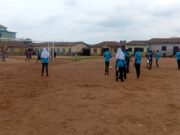
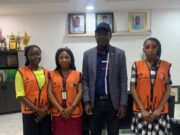
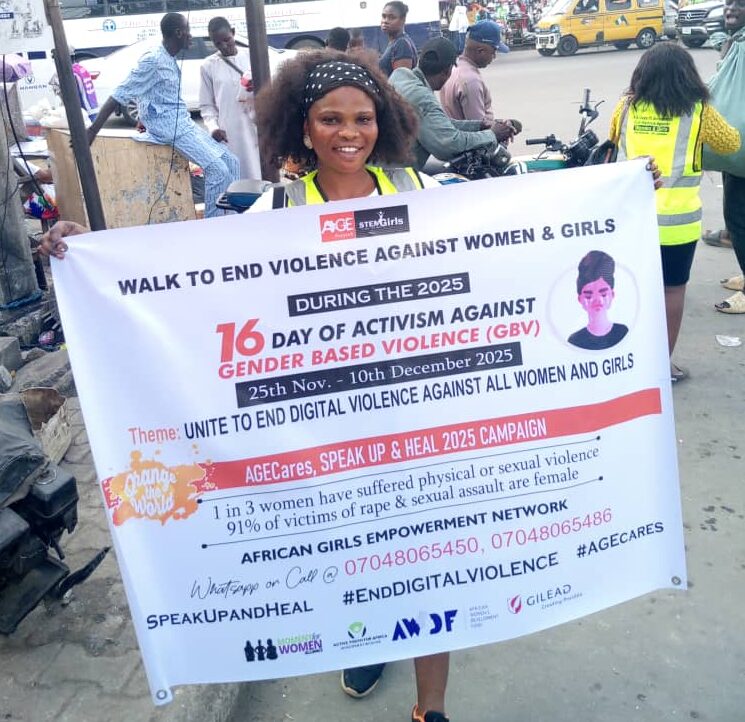
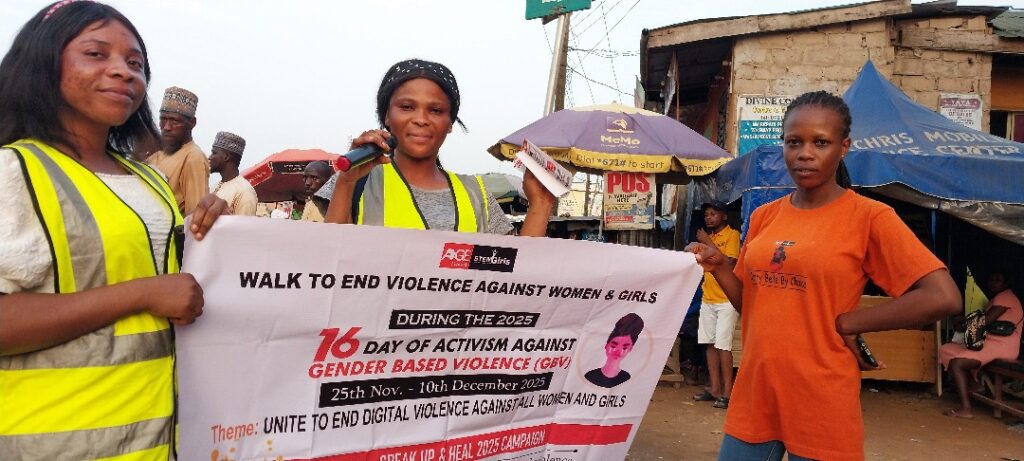
As part of its concluding activities, AGE Network conducted a community-wide sensitization campaign on 10 December 2025 in Ado Odo Ota Local Government Area to commemorate International Human Rights Day under the theme “Our Everyday Essentials.” The Street Campaign stretched from the Sango Ota underbridge through Ojuore, engaging street women, Okada riders, market women, young people, and community members.
The AGE Team emphasized that human rights are not occasional observances but everyday essentials that influence daily life. Women were reminded of their rights, including:
• The right to pregnancy by choice
• The right to be free from HIV-related stigma
• The right to speak up and seek support when abused
• The right to financial inclusion and economic opportunity
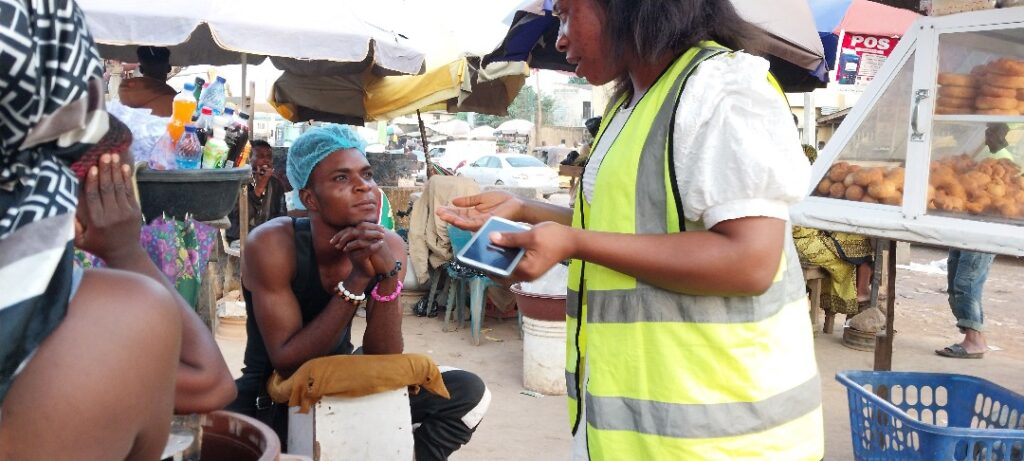
One-on-one counseling was provided to women seeking confidential support and guidance.
Men were also intentionally engaged. AGE advocates held dialogues with Okada riders and male youth on ending rape, supporting survivors, and promoting gender equality at home. Men were encouraged not to discriminate between boys and girls, reinforcing that the girl child has an equal right to education and protection. They were also empowered to act as advocates for women’s rights in their families and neighborhoods.
Informational flyers were distributed, including women’s rights materials and Belle by Choice hotline contacts, ensuring community members could easily reach support services when needed.
Strengthening Systems and Leadership Accountability
Across the summit and street campaign, participants and community members consistently called for:
• Expanded digital literacy and safety education
• Accessible reporting mechanisms for all women and girls, including women with disabilities
• Stronger community education to dismantle stigma and victim-blaming
• Leadership accountability for GBV prevention and response
• Economic empowerment initiatives for women and girls
• Survivor-centered justice and mental health support
• Deeper collaboration among civil society actors
AGE Network Reaffirms Its Commitment
Closing the 16 Days of Activism 2025, AGE Network reaffirmed its commitment to defending the rights of women and girls across Nigeria, supporting survivors’ voices, and strengthening grassroots systems for protection, prevention, and empowerment.
The SRHR Programs Director, Matina Ebri, stated:
“Ending violence against women and girls requires more than global campaigns. It requires reinforcing structures at the grassroots, where most survivors live unheard. We will continue to work with partners, community actors, and frontline advocates to ensure that every woman and girl is protected, empowered, and free.”
AGE Network expressed appreciation to all civil society partners, speakers, local activists, survivors, and participants across Nigeria, Ghana, South Africa, India, and beyond who contributed to this year’s movement.
For media inquiries, contact:
African Girls Empowerment Network
Email: info@agenetwork.org
Website:www.agenetwork.org