Home Blog

Will a landmark judgment spur progress from menstrual hygiene to menstrual justice?

0

In a landmark judgment delivered on 30th January 2026, the Supreme Court of India declared menstrual health an integral component of individual fundamental rights, making India the only country in the world to constitutionally guarantee menstrual health. This far-reaching judgement linked menstrual health to the right to life under Article 21 of India’s constitution, which, the Court emphasised, is not confined to a mere existence but includes the right to live with dignity, health, and self-respect, highlighting the need to dismantle the shame surrounding menstruation.

With a view to ensure that this landmark decision does not remain only on paper, but is truly put into action, the Supreme Court will hear this matter again after 3 months (from 30 January 2026) to know how well the mandates of the judgment have been implemented across the country.

Lauding the judgement for addressing a long-standing gap between legal guarantees and lived experiences, Debanjana Choudhuri, a gender justice activist, said that “by recognising menstrual health and hygiene as an integral part of life under the Article 21, the Court acknowledged a reality that has been long affecting girls and women particularly, in silence and neglect because it stems from patriarchal mindset, stigma, and taboo. The recognition is supported by the constitutional mandate under Article 15 which empowers the state to make special provisions for women by bringing menstruation into constitutional discourse.”

In India, approximately one in four adolescent girls drop out of school annually due to challenges in managing their menstruation. Government data shows that in India approximately 4 million (40 lakhs) girls dropped out of primary education in the last four years. Perhaps this was one of the reasons that prompted the top court to intervene to make menstrual health a fundamental right.

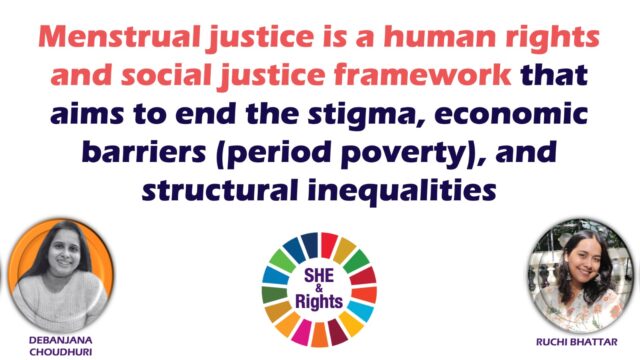
Menstrual justice is a human rights and social justice framework that aims to end the stigma, economic barriers (period poverty), and structural inequalities that prevent individuals who menstruate from managing their periods with dignity.

Coined by legal scholar Margaret Johnson in 2018, it moves beyond “menstrual hygiene” or “equity” to address the deep-seated structural and cultural barriers that treat menstruation as a source of shame or impurity. It aims to bring about systemic changes to root out economic injustice; health injustice; environmental injustice and challenge laws that ignore menstrual needs in workplaces, schools, and prisons, viewing menstrual health as a fundamental human right.

Ruchi Bhattar, a lawyer and journalist, elaborated that the 127 pages long judgement mandates all Indian states and union territories to ensure the provision of functional, accessible, and gender-segregated toilets in every school with usable water and handwashing facilities; free and regular supply of biodegradable sanitary pads in every school, and safe environmentally compliant mechanisms for their disposable; and integration of gender-responsive education on menstruation and related health concerns into school curricula to break the stigma around puberty and menstruation.

“Despite some progress, menstrual hygiene discourse in India has not been discussed vocally as a fundamental right. Onset of menstruation leads to irregular school attendance. Inadequate toilet facilities, lack of privacy, unavailability of sanitary products and fear of embarrassment compel many girl students to remain absent during their menstrual cycle. This has a huge impact on her life choices, economic freedom and her dignity. What begins as a temporary absence frequently develops into an academic difficulty and in several cases results in discontinuation of education. She just simply stops going to school,” said Debanjana.

Debanjana and Ruchi were speaking in SHE & Rights session that focussed, amongst other gender equity issues, on Indian Supreme Court’s ruling reinforcing menstrual hygiene as a fundamental right. SHE & Rights was organised by Global Center for Health Diplomacy and Inclusion (CeHDI), International Planned Parenthood Federation (IPPF), Women Deliver Conference 2026, Asian-Pacific Resource and Research Centre for Women (ARROW), and CNS.

Ruchi shared that the Court judgment also notes that infrastructure alone is half the problem as far as menstrual hygiene is concerned. It emphasised that the role of men and boys, including male teachers and peers, is to sterilise themselves from menstruation-related stigma, until then such services would be underutilised. Basically, calling this a shared responsibility between the men and boys and the teachers and everybody around a menstruator to break the stigma and breed basic empathy in them and undo the insensitivity.

She quoted the judges as saying, “We wish to communicate to every girl child who might have become a victim of absenteeism because her body was perceived as a burden that the fault is not hers.”

When girls are forced to sacrifice their education or dignity due to biological realities, the harm is constitutional in nature. When a society allows this harm to happen then we fail as a society collectively. If this happens because of stigma or taboo for menstruation, then we have completely failed despite all the years of advocacy and activism in India for gender rights”, said Debanjana.

She further emphasised that the Supreme Court decision talks about living with dignity, which is for all menstruators. So, we really need to make access possible, not just for women and girls, but also for transgenders, and non-binary individuals.

As per latest data, over 300 million people menstruate daily. Millions of these girls, women, transgender men and non-binary persons are unable to manage their menstrual cycle in a dignified, healthy way. 500 million women globally lack access to adequate menstrual products and sanitation facilities. When girls and women have access to safe and affordable sanitary materials to manage their menstruation, they decrease their risk of infections. Use of sanitary pads leads to a significant reduction in sexually transmitted infections and bacterial vaginosis. Poor menstrual hygiene can pose serious health risks, like reproductive and urinary tract infections. Promoting menstrual health and hygiene is an important means for safeguarding women’s dignity, privacy, bodily integrity, and, consequently, their self-efficacy.

Studies show that menstruation related stigma and discrimination remain widespread. It is often fuelled by harmful social norms and cultural taboos around menstruation. In some parts of the world, even today, menstruating girls and women are seen as dirty or untouchable, restricting their movement and access to spaces. Myths include that menstruating women and girls should not touch certain food, or it would rot, or enter places of worship as they are unclean, and that they should be isolated.

A new report launched by UNICEF and WHO, analyses for the first time emerging national data on menstrual health and hygiene in schools globally. The report underscores the urgent need for global action to improve menstrual health and hygiene in schools. By addressing these issues, every schoolgirl can manage her menstruation with dignity, safety, and confidence.

But let us not forget the needs of out of school adolescents many of whom belong to the most marginalised communities in India, or those who dropout of school due to early marriage or some other social reason. They should not be left out but have equal access to menstrual hygiene interventions, as those in formal education. All of us – civil society, communities, and policymakers – will have to work together to achieve intersectional menstrual equity and justice.

Shobha Shukla – CNS (Citizen News Service)

(Shobha Shukla is a feminist, health and development justice advocate, and an award-winning founding Managing Editor and Executive Director of CNS (Citizen News Service). She serves as Chairperson of Global AMR Media Alliance (GAMA), Host and Coordinator of SHE & Rights (Sexual Health with Equity & Rights), Campaigner for Prevent-Find-Treat All TB, President of Asia Pacific Media Alliance for Health, Gender and Development Justice (APCAT Media), and founder leader of DJOP (Development Justice for Older Persons) initiative. She was also the Lead Discussant for SDG-3 at United Nations inter-governmental High Level Political Forum 2025 and former senior Physics faculty at prestigious Loreto Convent College. Her founded-GAMA received the AMR One Health Emerging Leaders and Outstanding Talents Award at UN High Level Ministerial Conference on AMR 2024. Follow her on X @shobha1shukla or read her writings here www.bit.ly/ShobhaShukla)

Antimicrobial resistance under gender lens

0

BOBBY RAMAKANT – CNS

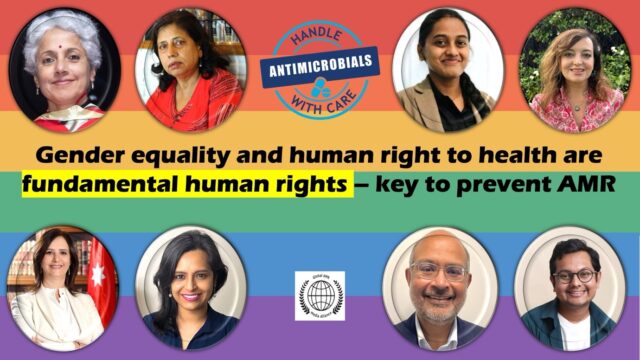
Is there a connect between gender and antimicrobial resistance (AMR)? If you think that infection-causing microbes (virus, bacteria, fungi, parasites) impact all genders the same, be welcome to read on…

Gender is a social construct that defines the roles, behaviours, expressions, and identities of girls, women, boys, men, and gender-diverse people.

Drug resistance or Antimicrobial Resistance (AMR) is caused by misuse and overuse of medicines in human health, livestock health, food and agriculture, and it is also polluting our environment. We cannot afford any misuse and overuse of medicines in any sector if we are to deliver on SDGs. However, AMR is already among top 10 global health threats and is also threatening food security and our environment, along with a significant economic cost.

Women and girls (including those sick with infectious diseases) are the primary carers in most settings – especially in the Global South. But the infection prevention and control measures in the healthcare facilities, communities, and homes are far from optimal to protect them and undermine the roles and responsibilities they shoulder.

Many studies looking at male: female ratio of child vaccination, unsurprisingly, reveal that the male child is more likely to have received essential immunisation as compared to a girl child.

When it comes to screening and diagnostics for a range of infections, no prizes for guessing which gender is less likely to seek health services in a rights-based, person-centred and gender transformative manner?

“A complex mix of biological, social, cultural and economic factors arising from gender-based inequalities and injustices impacts infection prevention and control. Gender inequalities, harmful gender norms, stereotypes, and tropes have normalised the neglect of the well-being of girls and women, making them more vulnerable to AMR,” said Shobha Shukla, Chairperson of Global AMR Media Alliance (GAMA) and Host of SHE & Rights to advance gender equality and human rights to health.

AMR and gender-based violence

“The lived experience of girls and women and gender diverse communities shows how violence puts them at increased risk of getting infected with sexually transmitted infections,” said Shobha Shukla, who was also the Lead Discussant for SDG-3 at United Nations High Level Political Forum (HLPF) in New York last year.

According to Dr Soumya Swaminathan (former Deputy Director General for Programmes and former Chief Scientist of the World Health Organization – WHO), we cannot be successful in reducing or preventing AMR, without tackling gender-based violence, as violence impacts the access of women to healthcare.

“Women are at a very high risk of intimate partner violence or domestic violence – physical or sexual. This could lead to more infections. And because of their position within the household and the community, they are less likely to seek timely and adequate care for these injuries or infections, which could lead to drug-resistant infections. Whether it is sexually transmitted infections or urinary tract infections, or reproductive tract infections, or pelvic inflammatory disease, all of these are linked with sexual violence and an increased risk of antibiotic use. Also, even if the woman seeks care, quite often follow-up is poor. She may have taken a partial course of antibiotics or the wrong doses. Women facing an unplanned pregnancy, or those who go for an unsafe abortion, are also at higher risk of AMR.”

Dr Swaminathan is Chairperson, MS Swaminathan Research Foundation; and former Secretary, Dept of Health Research, Ministry of Health and Family Welfare, Government of India, and former Director General, Indian Council of Medical Research (ICMR).

Stigma fuels AMR

“Diseases like TB or HIV/AIDS carry a huge stigma in our society, especially for women. In many communities, a woman diagnosed with TB or HIV is judged not only as a patient but as someone who has brought shame to the family. Her character, her marriage prospects and even her abilities to be a good wife, daughter, and mother are questioned. I have seen many women hide their illness because of this stigma. They delay testing, they avoid going to the clinics, some take the medicine secretly and others stop treatment early to prevent family members or neighbours from finding out about it”, says Bhakti Chavan, a survivor of extensively drug-resistant TB (XDR-TB) – one of the most serious forms of drug-resistant TB. Bhakti is also a member of WHO Task Force of AMR Survivors.

Impact of AMR is not gender blind. If we want to fight AMR effectively, we must listen to the women, diagnose them early on, ensure proper treatment, support adherence and design policies that consider women’s realities.

Power dynamics at work

“The burden of disease predominantly remains in populations that have the least access to resources, including antibiotics, to be able to treat infections effectively. The power differential between the patient, the end user, and the healthcare provider is very strong and that is impacted by gender. It is impacted by gender norms and roles within society as well as within healthcare services. Women often have the least power in being able to negotiate and advocate for themselves within the healthcare settings, whether they are healthcare professionals or whether there are patients. Women have the unrecognised and unspoken role of care providers. And they often put their own healthcare needs behind those of other family members. We saw in the hospitals in India that women would often come in as carers for their family members and not necessarily seeking care themselves. Also, when there is out-of-pocket expenditure on healthcare, often male family members might be selected over female family members. We need to recognise this and identify how we can leverage power for positive outcomes”, opines Dr Esmita Charani, Associate Professor, University of Cape Town, South Africa.

Agrees Anand Balachandran, who formerly headed an AMR unit at the World Health Organization (WHO) headquarters in Geneva, Switzerland. “We need to move beyond the ‘bugs and drugs’ approach and adopt a more social science lens. It is critical to view inequity in healthcare, including through the AAAQ framework (Availability, Accessibility, Acceptability and Quality) of healthcare.”

Social norms affect AMR control

Dr Deepshikha Bhateja, Principal Research Scientist, Indian School of Business (ISB), and Visiting Fellow at One Health Trust rues that there are norms around menstruation, around caregiving responsibilities, around what kind of jobs are suitable for women, around son preference, around pregnancy and around control and ownership of financial assets. All of these lead to women’s reduced access to WASH (Water, sanitation and hygiene). They lead to lower education and awareness amongst women and prohibit women and girls from seeking healthcare freely. This impacts the intermediary drivers of AMR which increases their susceptibility of infection. It reduces their health-seeking behaviour and ability to seek and afford essential antibiotics and quality healthcare and leads to inappropriate diagnosis and management by healthcare providers. This in turn impacts AMR outcomes of inadequate access to essential antibiotics, lack of appropriate diagnosis and leads to increased antibiotic intake and increased AMR.

Agrees Esmita that “we have to understand that the gendered roles within society and culture are barriers to access – is it the husband or is it the family members who are not allowing the women to actually make it to the clinic in the first place?”

Intersectional approach

Dr Esmita Charani said that we need an intersectional lens because our position within society, within the community and within the family in which we live is very much dependent on gender and also on our religion, culture, caste, migration status, or race and identity in some settings. We have to take an intersectional lens to understand how access is compromised based on intersectional identities and also how we can leverage the power that we have within the community to develop interventions that are more likely to be taken up.

Dr Soumya Swaminathan cites the example of feminisation of agriculture. “From an intersectional perspective, here is a woman who lives in a rural area, she is also a small farmer, she has some livestock and she does some agriculture, and she has a family to look after. And she is alone because she has a migrant husband. And therefore, she has less access to health centers. She has less financial autonomy as well. In such a situation, she would be probably more likely to either neglect infections or take inappropriate treatment”.

In the opinion of Dr Salman Khan, former member, Quadripartite Working Group on Youth Engagement for AMR and Youth Engagement consultant at ReAct Asia Pacific, AMR is a deeply social problem.

“We often frame AMR as a technical problem where microbes evolve, drugs fail, antimicrobial pipelines dry up. But AMR is shaped by those who have power, whose health is prioritised, who control resources, and whose voices are ultimately heard in decision-making,” said Dr Salman Khan.

One ounce of prevention is worth a pound of cure

So said Dr Mayssam Akroush, Founding President of The Pan Arab Women Physicians Association. For her women can play a lead role in combating irrational antibiotic use, that fuels AMR.

“Women are the head of the pyramid and a very important part of the equation. They are mothers, leaders, teachers, prescribing doctors and they are also in the pharmacy who sell the product. So they are at a great position to lead the change on irrational antibiotic use. As a mother she might be in a hurry to recover and might need to buy the antibiotic for herself. But as a mother she is also the decision maker for her child’s health- whether to give or not to give the antibiotic. She might be the only one who can change the mindset of the youth on using antibiotics for their health. She should be the targeted person in our campaigns where we must educate women and thus get a whole population educated on how, when, and whether to use antibiotics or not. Women as caregivers, as educators and decision makers, can be our targeted audience for any AMR campaign”.

There is a common consensus on the need to address gender inequalities in our National Action Plans on AMR.

“We must include gender-based violence indicators in AMR National Action Plans, recognising that sexual health and violence services are hotspots for antibiotic exposure and we must also include gender-sensitive stewardship indicators”, said Dr Swaminathan.

End drug-resistant TB if we are to end TB by 2030

“With World TB Day coming up and also as someone from India – the country with the highest TB (and drug-resistant TB) burden worldwide, I would like to draw attention to drug resistant forms of TB. In the year 2000, the upper-end estimates showed that we had around 400,000 cases of drug-resistant TB. In 2024, we also had a similar number of people with drug-resistant TB. We have failed down the line to prevent drug-resistant TB. We could have done better on infection prevention and control in healthcare settings, communities and homes. We could have done better on stopping misuse, underuse or overuse of TB medicines. We had the science, tools, and evidence to do better. But we could not. If we are to end TB, we have to ensure zero drug-resistant TB that occurs due to failure of infection prevention and control, or misuse, overuse or underuse of TB medicines. It is high time for accountability,” said Shobha Shukla, Chairperson, Global AMR Media Alliance (GAMA); and Founder Executive Director, CNS and Host of AMR Dialogues, and coordinator of Prevent-Find-Treat All TB campaign.

Best AMR response is a feminist response

“Only possible effective and sustainable way to prevent AMR has to be a feminist way. AMR and other health responses must be rooted in feminist development justice model which is based on care and solidarity for each other, where no one is left behind in the truest sense of the words. In 2024, the WHO released its guidance on “Addressing gender inequalities in national action plans on AMR”. This guidance provides practical recommendations for countries to integrate gender responsive approaches into AMR policies by addressing key gender disparities in the prevention, diagnosis and treatment of drug-resistant infections,” shared Shobha.

“We must address health inequities. We as the AMR community, need to engage with the health systems teams at local, national and global levels. Ultimately strengthening primary healthcare to achieve universal healthcare should address these inequities and the AMR response should be embedded within these health systems strengthening efforts,” added Anand Balachandran.

Bobby Ramakant – CNS (Citizen News Service)

(Bobby Ramakant is a WHO Director General WNTD Awardee 2008 and part of CNS editorial and on the board of Global Antimicrobial Resistance Media Alliance (GAMA) which was conferred 2024 AMR and One Health Emerging Leaders and Outstanding Talents Award at the High-Level Ministerial Conference on AMR. Follow Bobby on X: @bobbyramakant)
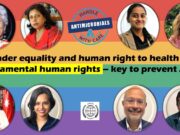
Instead of declining, rates of female genital mutilation/ cutting rose by 15% in 8 years

0

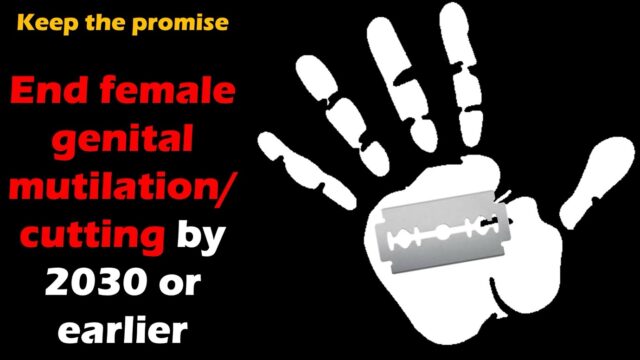
Ten years back at the United Nations General Assembly, all world leaders promised to eliminate the harmful practice of female genital mutilation/ cutting (SDG-5 target 5.3) by 2030. But instead of declining, female genital mutilation/ cutting has instead increased by 15% over the past 8 years: from 200 million in 2016 to over 230 million in 2024.

More than 230 million girls and women alive today have undergone female genital mutilation/ cutting in 92 countries – mostly in Africa (144 million), the Middle East (6 million), and Asia (80 million), where it is still practiced. Female genital mutilation/ cutting is a violation of the human rights of girls and women. Without urgent, accelerated action, an additional 27 million girls are projected to undergo the procedure by 2030.

We cannot meet SDGs when half the population is harmed, silenced, or excluded. Development justice demands that policies centre women’s safety, agency, and bodily integrity. Female genital mutilation/ cutting is a human rights violation,” says Dr Huda Syyed, an Australia-based researcher, Founder of Sahara Sisters’ Collective, and a key part of the Asian Network to end female genital mutilation/ cutting (FGM/C).

The devil of patriarchy ferments such gruesome and shocking practices as female genital mutilation/ cutting. After all, patriarchy is all about wrongly ‘normalising’ male privileges, entitlements and rights (and pleasures) and ‘legitimising’ their denial to women and girls and other genders.

FGM/C is a gross human rights violation

According to the UN health agency, the World Health Organization (WHO), the practice of female genital mutilation/ cutting is recognised internationally as a violation of the human rights of girls and women.

Female genital mutilation/ cutting reflects deep-rooted gender inequality and constitutes an extreme form of discrimination against girls and women. It is nearly always carried out on minors and is a violation of the rights of children. The practice also violates a person’s right to health, security, physical integrity, and bodily autonomy; the right to be free from torture and cruel, inhuman or degrading treatment; and the right to life, in instances when the procedure results in death.

FGM/C is never ‘safe’ and violates medical ethics, too

There is no medical justification for female genital mutilation/ cutting, and it is never ‘safe.’ It is a gross human rights violation. That is why the WHO strongly urges health workers not to perform female genital mutilation/ cutting. When performed in a clinical setting, FGM/C violates medical ethics.

“In a joint statement issued by several organisations, including the Asian Network to end female genital mutilation/Cutting, there was a condemnation of its medicalisation in all forms. Female genital mutilation/ cutting compromises bodily autonomy. Young girls are made to have it without prior knowledge or understanding and sometimes they were told that they are going to ‘another place’ whereas they are actually being taken to get female genital mutilation/ cutting,” said Dr Huda Syyed while speaking in SHE & Rights (Sexual Health with Equity & Rights) session hosted by Global Center for Health Diplomacy and Inclusion (CeHDI), Women Deliver Conference 2026, International Planned Parenthood Federation (IPPF), Asian-Pacific Resource and Research Centre for Women (ARROW), Women’s Global Network for Reproductive Rights (WGNRR), Asia Pacific Media Alliance for Health, Gender and Development Justice (APCAT Media) and CNS.

According to the United Nations Population Fund (UNFPA), FGM/C can never be ‘safe,’ and there is no medical justification for it. Under any circumstances, FGM/C violates the right to health, the right to be free from violence, the right to life and physical integrity, the right to non-discrimination, and the right to be free from cruel, inhuman, or degrading treatment.

“We are here to hold systems, institutions, and even governments accountable for gendered harm. So social and cultural notions of shame, secrecy and silence which is attached to girls’ and women’s bodies, can lead to further silencing and perpetuation of various gendered customs including gender-based violence of various forms, including female genital mutilation/ cutting,” said Dr Huda Syyed.

“We need to approach communities with a trauma-informed lens, which could also help with dismantling shame, dismantling secrecy, and allow communities to share their voices with willingness and join us all in this advocacy to stop harmful gendered customs. Ending female genital mutilation or cutting in Asia and globally is not a ‘marginal issue’; rather, it is a central issue to gender and development justice as well as central to bodily autonomy, public health, right to equality, human rights, children’s rights, and girl child rights. Patriarchal notions of women’s bodies, which are shaped into shame and secrecy, need to be challenged and dismantled,” she concluded while speaking in SHE & Rights this month.

No gain but all to lose with FGM/C

Female genital mutilation/ cutting (FGM/C) comprises all procedures that involve partial or total removal of the external female genitalia, or other injury to the female genital organs for non-medical reasons. The practice has no health benefits for girls and women. It can result in severe bleeding and problems urinating, as well as cysts, menstrual difficulties, infections, complications in childbirth, and increased risk of newborn deaths.

WHO agrees that “female genital mutilation/ cutting has NO health benefits, and it harms girls and women in many ways. It involves removing and damaging healthy and normal female genital tissue, and it interferes with the natural functions of girls’ and women’s bodies.”

Although all forms of female genital mutilation/ cutting are associated with increased risk of health complications, the risk is greater with more severe forms of it. Its immediate complications can include severe pain, excessive bleeding (haemorrhage), genital tissue swelling, fever, infections (like tetanus), urinary problems, wound healing problems, injury to surrounding genital tissue, shock, and death (source: WHO).

Long-term complications of female genital mutilation/ cutting can include urinary problems (painful urination, urinary tract infections); vaginal problems (discharge, itching, bacterial vaginosis and other diseases); menstrual problems (painful menstruations, difficulty in passing menstrual blood, etc.); scar tissue and keloid; sexual problems (pain during intercourse, decreased satisfaction, etc.); increased risk of childbirth complications (difficult delivery, excessive bleeding, caesarean section, need to resuscitate the baby, etc.) and newborn deaths; need for later surgeries: women with severe types of female genital mutilation/ cutting might require deinfibulation (opening the infibulated scar to allow for sexual intercourse and childbirth), psychological problems (depression, anxiety, post-traumatic stress disorder, low self-esteem, etc.) (source: WHO).

Fundamentally, ending female genital mutilation/ cutting is a human rights imperative. But even if you take economic impact into account, there is an astronomical economic cost too: Treatment of its health complications is estimated to cost health systems US$ 1.4 billion per year, a number expected to rise unless urgent action is taken towards its abandonment.

With only 5 years left to deliver on SDGs, it is high time for accountability because, instead of progressing towards the elimination of female genital mutilation/ cutting by 2030, the rates have risen in recent years.

We cannot deliver on Agenda 2030 of Sustainable Development, “where no one is left behind,” unless we completely end harmful practices like female genital mutilation/ cutting. Gender equality and human rights are bedrocks for progressing towards SDGs.

About Shobha Shukla

(Shobha Shukla is a feminist, health and development justice advocate, and an award-winning founding Managing Editor and Executive Director of CNS (Citizen News Service). She was also the Lead Discussant for SDG-3 at the United Nations intergovernmental High-Level Political Forum (HLPF 2025). She is a former senior Physics faculty member of prestigious Loreto Convent College; current President of Asia Pacific Regional Media Alliance for Health, Gender and Development Justice (APCAT Media); Chairperson of Global AMR Media Alliance (GAMA received AMR One Health Emerging Leaders and Outstanding Talents Award 2024); and Host of SHE & Rights (Sexual Health with Equity & Rights). Follow her on Twitter/X @shobha1shukla or read her writings here www.bit.ly/ShobhaShukla)

AGE Network Concludes “Belle by Choice vs. Belle by Chance” Community Football Matches in Ogun State

0

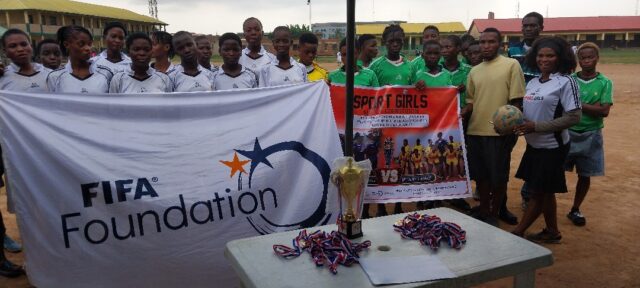
Ogun, Nigeria — A non-governmental organization, the African Girls Empowerment Network, through its Sport Girls Initiative, has concluded the 2025 phase of its community-based football match series tagged “Belle by Choice vs. Belle by Chance.” The initiative is aimed at reducing teenage and unwanted pregnancy, preventing HIV/AIDS, closing the gender gap in football, and empowering adolescents with accurate information on sexual and reproductive health and rights.

The final match took place on Saturday, December 13, 2025, at the Government School II Field, Sango, Ogun State. The event brought together 80 adolescent girls and 109 spectators drawn from surrounding communities, including community leaders, youth leaders, and young people.

Before kickoff, AGE Network facilitated comprehensive sexuality education and leadership sessions for participating girls. Topics covered included personal safety, healthy relationships, consent, pregnancy and HIV prevention, self-esteem, teamwork, leadership, agency, and career opportunities in football.

Coaches and match officials were also engaged in child safeguarding and protection sessions, reinforcing zero tolerance for abuse, exploitation, and discrimination against girls in sports and community spaces.

Addressing participants, the Sport Girls Programs Director, Ms. Esther Asuquo, said the initiative was designed to tackle multiple challenges facing adolescent girls.

“We want to kick out teenage pregnancy, HIV/AIDS, gender-based violence, and sexual exploitation among our girls in schools and communities. We urge everyone here to be Belle by Choice advocates and to support girls to speak up, seek help, and live free from abuse,” she said.

The match series featured school-to-school competitions and training sessions. In the semi-final match held on December 7, 2025, the Belle by Chance team defeated the Belle by Choice team. However, in the final match on December 13, the Belle by Choice team emerged victorious with a 4–0 scoreline.

At the close of the competition, AGE Network presented a trophy to the winning team, medals to all participants, and individual awards to outstanding and best-performing players.

The semi-final match was held on December 7, 2025, at Igbo Lawyer Field, Dalemo, and involved 73 girls from different communities and five coaches. The event attracted 135 spectators, including men, women, youths, and community leaders.

Among dignitaries present were Baale Edun, Mrs. Gbenle (Secretary), and Engr. Balogun (Chairman) of the Adelemo Community, Sango Ota. Before the match, AGE Network delivered a reproductive health education session addressing early and unprotected sex, teenage and unwanted pregnancy, HIV and other sexually transmitted infections, as well as the physical and emotional impacts of abuse. Informational flyers containing Belle by Choice hotline contacts were distributed to support access to counseling and referral services.

AGE Network also engaged community leaders on the importance of male involvement in ending rape, promoting consent and respect, and supporting the sexual and reproductive health of girls and young women.

Participants and community members expressed appreciation to AGE Network and its partners, including the FIFA Foundation, for investing in the well-being of girls. Baale Edun commended the initiative and pledged community support toward eliminating sexual violence and reducing teenage pregnancy in Dalemo and the surrounding areas.

Speaking further, Ms. Asuquo reaffirmed the organization’s commitment to girls’ rights and inclusion.

“We are committed to ending rape, child marriage, teenage pregnancy, and girls’ school dropout, and to securing a level playing ground for girls in sport in Ogun State,” she said.

Through the Sport Girls Initiative and the Belle by Choice vs. Belle by Chance campaign, AGE Network continues to leverage sport as a tool to educate, protect, and empower girls, while strengthening community-led responses to gender-based violence and poor adolescent health outcomes.

For media inquiries:
African Girls Empowerment Network
Email: info@agenetwork.org
Website:www.agenetwork.org

Why are we still failing on gender equality despite years of promise

0

By SHOBHA SHUKLA – CNS

As 2025 wraps up, let us remind ourselves of the prominent promises (and some legally binding ones) which our governments have made since 1945 to advance progress on gender equality and human rights. The Preamble of the United Nations Charter, adopted by all governments in 1945, begins with the three words: “We the peoples…” and not “We the men…” Equal rights of men and women are further reaffirmed in the UN Charter Preamble, 1945.

Shortly after 1945, gender equality was also enshrined in the Universal Declaration of Human Rights in 1948. Gender equality became the core driver of a legally binding UN Treaty (formally called the UN Convention on the Elimination of all forms of Discrimination Against Women or CEDAW 1979). CEDAW also promised to address gender-based violence, reminded Dr Pam Rajput, a noted feminist and gender justice leader and former Chairperson of the Government of India’s High-Level Committee on the Status of Women. Then, at the UN General Assembly in 1993, World Leaders passed a resolution to eliminate gender-based violence.

In 1994, the International Conference on Population and Development (ICPD) and its Programme for Action also stressed ending gender-based violence as a matter of human rights.

In 1995, the UN World Conference on Women in Beijing and its landmark Beijing Declaration 1995 and Platform for Action committed governments to address violence against women, too.

UN Sustainable Development Goals adopted by all world leaders in 2015 promise to achieve gender equality “where no one is left behind” by 2030. But are we on track? Or are we struggling to deliver on the goals, or sliding back?

And a very long-list of declarations, agreements, and promises is chronicling the struggle for gender equality in the last century.

Let us not forget centuries of feminist struggles

Let us remember – unsung heroes – our feminist leaders in communities, regions, and globally that have strived so hard and so passionately and fiercely to counter harmful gender norms, stereotypes, and narratives – and advance gender equality despite and in spite of anti-rights pushbacks. Salutes to them. We owe it to feminist leaders over decades and centuries.

What is holding us back from keeping the promise?

Despite considerable and at times historic progress on gender equality, progress is miles away from being acceptable. Rather, in recent times, anti-rights and anti-gender pushbacks have not only threatened the fragile gains made on gender equality but also undone the good that had happened after quite a fierce community-led feminist struggle.

For example, shouldn’t we all be asking why there is almost no change in violence against women and girls since 2000? In the last 26 years, since the year 2000 onwards, the annual decline in intimate partner and sexual violence is abysmally low at 0.2%. This is so very unacceptable, says Shobha Shukla, SHE & Rights (Sexual Health with Equity & Rights) Coordinator and Host. “If we are to walk the talk on ending sexual and all other forms of gender-based violence, we have to translate words into stronger actions – dismantle patriarchy, and rethink, and rebuild feminist health and development systems.”

It is high time for accountability

“Despite so many agreements and declarations to end violence against women and girls, the question remains – why the rates have not declined. Violence against women and girls is a violation of human rights, rooted in gender inequality and an impediment to sustainable development,” said Dr Pam Rajput. She was the opening keynote speaker at SHE & Rights session this month, co-hosted by Global Center for Health Diplomacy and Inclusion (CeHDI), Women Deliver Conference 2026, International Planned Parenthood Federation (IPPF), Asian-Pacific Resource and Research Centre for Women (ARROW), Women’s Global Network for Reproductive Rights (WGNRR), Asia Pacific Media Alliance for Health, Gender and Development Justice (APCAT Media) and CNS. “Despite all the efforts over decades to end gender-based violence, the painful reality or truth is that we are far from the goal of ending all forms of violence against women and girls.”

“Over 840 million women have faced violence globally. The number of women who faced violence in conflict settings is double. In the past 12 months, 316 million women have faced physical violence or sexual abuse by an intimate partner, and 263 million women have faced it by a non-intimate partner. Over 51,000 cases of femicide have been reported,” added Dr Rajput, who also serves now as Emeritus Professor, Panjab University.

Even women Parliamentarians are not free of violence, says Dr Rajput. 73% of women journalists reported facing online violence, and 20% of them have even suffered offline attacks by anti-gender groups.

Earlier this year, the Commonwealth Parliamentary Association published a study that revealed 60% of women MPs fromthe Asia-Pacific reported online gender-based violence. Main findings included:

– 60% of women Parliamentarians surveyed have been targeted by hate speech, disinformation, image-based abuse or unwanted disclosure of personal data (doxing) online. This is the highest rate for this type of abuse (compared to other IPU regional studies).

– 76% of women Parliamentarians and 63% of parliamentary staff have experienced psychological violence.

– Sexual violence is also prevalent, with 25% of women Parliamentarians and 36% of parliamentary staff reporting such incidents.

– Economic violence or damage to women’s belongings has affected 24% of women Parliamentarians and 27% of parliamentary staff, while physical violence was reported by 13% and 5% respectively.

– Certain groups – women under 40, women from minority backgrounds, and unmarried women – face disproportionately higher rates of violence. Opposition women MPs also report higher rates of psychological and sexual violence.

High time to dismantle barriers that fail us on gender justice

“We need to address structural inequalities, patriarchal norms, ‘normalisation’ of gender-based violence, consumerist neoliberal models of development, gender insensitivity of the enforcement agencies (such as police or judiciary), and under-investment in gender equality, if we are to address violence against women and girls,” said Dr Rajput.

“The agreed conclusions of the UN Commission on the Status of Women every year and its Political Declarations every four years must get fully implemented by the countries. Promises made at the global level must translate into local realities,” she stressed.

“How can we talk about sustainable development where no one is left behind, when millions of women and girls are not free of economic violence, social violence, sexual violence, and other forms of gender-based violence?” said Dr Pam Rajput.

“We demand zero tolerance for violence against women and girls, both in policy and practice. Violence against women and girls is not something where governments can get away by saying ‘oh it is inevitable,’ because it is NOT inevitable,” she emphasised. “Alongside global campaigns to end violence, we also need local campaigns to end violence against women and girls. We need accountability from global to local and local to global for a safe, healthy environment for each human being on this Earth.”

Gender-based violence also fails us on HIV

“Gender-based violence not only violates human rights of women and girls but also exposes them to the risk of acquiring HIV and other infections. Gender-based violence and HIV create a nexus or a cycle of violence, stigma, and discrimination. Unequal power and harmful gender norms further ups the risks and vulnerabilities for women and girls to suffer violence as well as HIV,” said Esther Asuquo, gender and peace advocate of African Girls Empowerment Network, Nigeria.

“Gender-based violence increases risk for women and girls of forced sex, physical trauma, sexual violence, including intimate partner violence, rape, and physical trauma. Gender-based violence also increases the inability to negotiate safer sex among young women and girls,” added Esther while addressing the SHE & Rights session.

Why is ending period poverty elusive?

Period poverty is the lack of access to menstrual products, sanitation facilities, and hygiene education, forcing people to use inadequate substitutes (rags, leaves) or miss school/work, impacting health, dignity, and education due to stigma and cost. It affects millions globally, including in developed nations, leading to missed classes, poor health, and hindering women’s rights and economic independence.

“Ending period poverty and stigma is important if adolescent girls and young women need to live a dignified life with rights. Period poverty and stigma are affecting so many girls across Africa. Many of them are lacking safe absorbent materials – essential for menstrual hygiene, and are thus forced to use unsafe absorbent materials, for example, soil, sand, and in extreme case cow dung. These absorbent materials end up increasing their susceptibility to reproductive tract infections. Sometimes they are forced to go for transactional sex, which increases the risk of sexual violence which increases their risk of HIV, teenage pregnancies, and sexually transmitted infections (STIs),” said Angel Babirye, Emerging Women Deliver leader from Uganda and President of the African Youth and Adolescent Network East and Southern Africa (AfriYAN ESA).

“Menstruation is largely shrouded in myths and misconceptions. We must normalise conversations around menstruation because it is normal. Girls need to have safe spaces to speak up about menstruation, and also need to have access to clean water, sanitation and hygiene too. Girls and women must have safe and private facilities to change absorbent materials as and when required as well as spaces to dispose off the used absorbent materials,” she added. “In Uganda, 1 in 4 girls drops out of school once they begin menstruating. Absenteeism triples during their periods. Let us address menstrual hygiene, period poverty and stigma in a comprehensive way so that girls can have safe and dignified lives.”

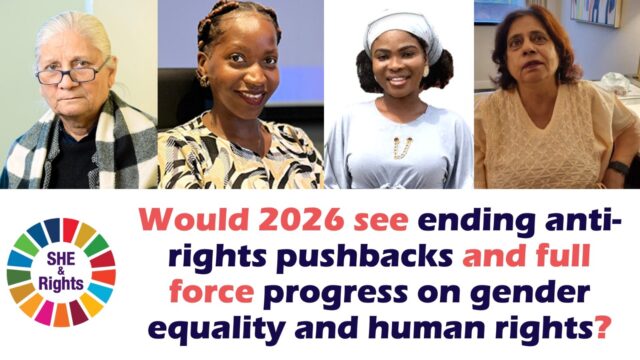
Would 2026 see the end of anti-rights pushbacks and full force progress on gender equality and human rights?

Let us hope that 2026 dawns on all of us why gender inequality is in nexus (by design) with patriarchy, capitalism, fundamentalism, militarisation, debt, and shaky progress against a lot of SDG goals and targets – and sparks united action to deliver on SDG-5, SDG-3 and all other goals, targets and promises made by our governments for a better tomorrow.

The only possible socially just and ecologically sustainable world order is a feminist world order where health, gender, social, economic, climate, and redistributive justices along with accountability to peoples take centre-stage. That is the rainbow highway to SDGs, so we believe. #RethinkRebuildRise should be our mantra.

About Shobha Shukla – CNS (Citizen News Service)

Shobha Shukla is a feminist, health and development justice advocate, and an award-winning founding Managing Editor and Executive Director of CNS (Citizen News Service). She was also the Lead Discussant for SDG-3 at the United Nations intergovernmental High-Level Political Forum (HLPF 2025). She is a former senior Physics faculty of prestigious Loreto Convent College; current President of Asia Pacific Regional Media Alliance for Health, Gender and Development Justice (APCAT Media); Chairperson of Global AMR Media Alliance (GAMA received the inter-ministerial AMR One Health Emerging Leaders and Outstanding Talents Award 2024); and Host of SHE & Rights (Sexual Health with Equity & Rights). Follow her on Twitter/X @shobha1shukla or read her writings here www.bit.ly/ShobhaShukla)

AGE Network Commemorates Human Rights Day 2025, Concludes 16 Days of Activism With Strong Call for Grassroots Action to End Violence Against Women and Girls

0

PRESS RELEASE

10 December 2025 | Ogun State, Nigeria

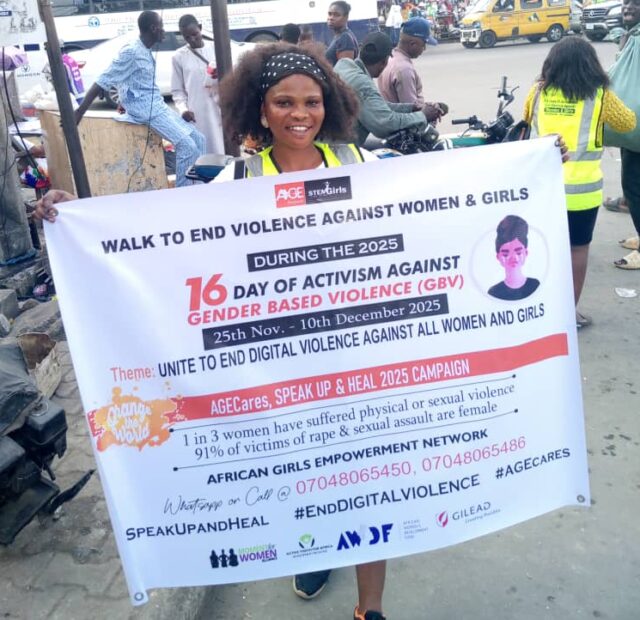
A non- governmental organization, African Girls Empowerment Network, has concluded its 2025 16 Days of Activism Against Gender-Based Violence campaign with a powerful call for strengthened grassroots action to end violence against women and girls in Nigeria. The campaign wrapped up on 10 December 2025, aligning with the global observance of International Human Rights Day, and featured the AGE Speak Up and Heal Summit, a virtual gathering of activists, gender experts, frontline responders, young feminists, and survivors across Africa and Middle East Asia including Shobha Shukla, a noted feminist, and health, gender and development justice activist from India.

This year’s summit spotlighted the urgent need to dismantle systems that normalize violence, silence survivors, and exclude women and girls from justice, healing, and opportunity.

Civil Society Leaders Unite to Break the Culture of Silence

Opening the summit, Blessing Michael, President/Executive Director of AGE Network, emphasized the vital role of civil society organizations in driving prevention, response, and accountability on gender-based violence (GBV). She noted that the 2025 theme, Speak Up and Heal, was chosen to empower survivors, challenge harmful norms, and strengthen community systems that support healing and justice.

Participants shared expectations centered around amplifying survivor voices, strengthening community responses, leveraging digital advocacy, and advancing gender equality across Africa and the Middle East.

Exposing Barriers that Silence Survivors

Esther Odiong, a gender advocate, unpacked the many reasons survivors remain silent, including stigma, cultural norms, financial dependence, victim-blaming, and fear of retaliation. She called for expanded psychosocial support, economic empowerment programs, and community sensitization to ensure survivors feel safe to report abuse and access help.

Discussions also highlighted the intersection of GBV and HIV, with participants stressing that stigma and discrimination continue to keep many women and girls from accessing essential services.

Digital Violence: The Fastest-Growing Frontier of Abuse

A major focus of the summit was digital gender-based violence. Development journalist Yecenu illustrated the devastating emotional and psychological toll of online harassment through a fictional case study, calling for robust reporting systems, nationwide education on digital safety, and stronger community accountability.

Mental health counselor Dr. Chinemaywanyanwu stressed that digital GBV is borderless and deeply traumatizing. She emphasized the need for stronger policies, survivor-centered digital safety structures, and leadership that models accountability and respect in online spaces.

Echoing this, gender equality advocate Justine shared global data showing that 58 percent of young women experience online harassment, while 90 to 95 percent of deepfake content targets women. She described technology as “the new frontline in the war against women,” urging stronger governance, improved protections, and tech-based solutions for survivor safety.

Confronting Patriarchy and the Need for Systemic Change

Gender rights expert Shobha called for dismantling patriarchal systems that normalize violence and suppress women’s autonomy. She argued that legal frameworks alone are insufficient without transforming social norms, rebuilding justice systems, and centering women and girls in decision-making.

Her message aligned with testimony from Justine, a female military officer, who challenged stereotypes about women’s strength and capability, demonstrating that women excel when given equal opportunity and support.

Survivor Voices and Community Support

Personal stories shared by participants such as Dineo, Pristine, and Patience underscored the complexity of violence and the heightened risks faced by women with disabilities, women with limited financial independence, and those entrapped by emotional manipulation. Patience emphasized that many support structures remain inaccessible for women with disabilities and called for urgent redesign of inclusive reporting and support systems.

Street Sensitization in Ogun State Marks Human Rights Day 2025

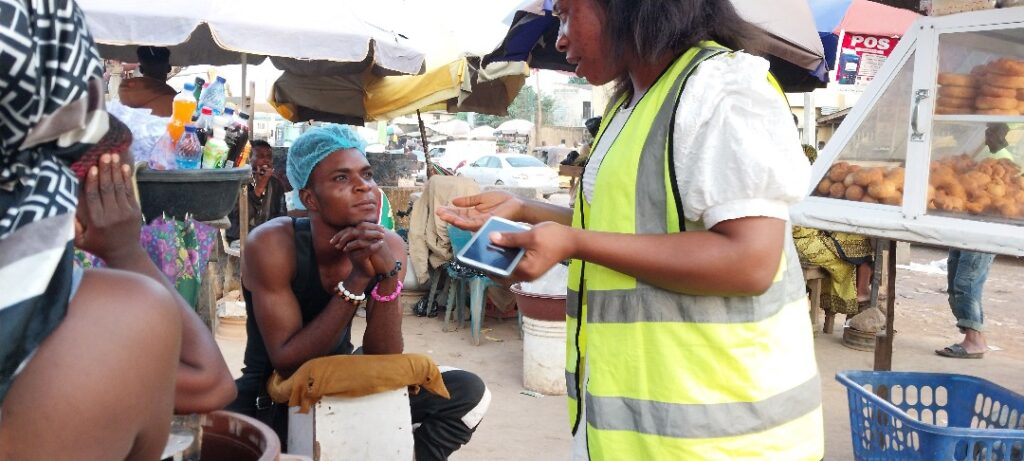
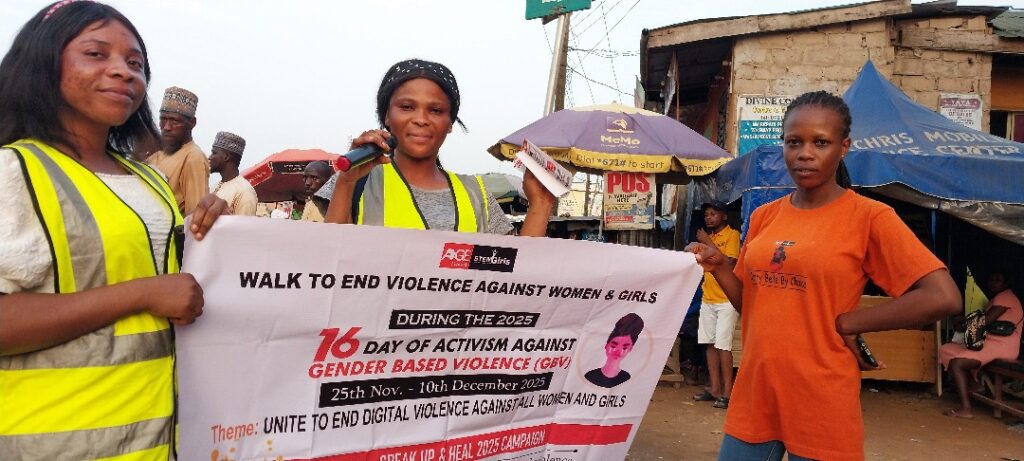
As part of its concluding activities, AGE Network conducted a community-wide sensitization campaign on 10 December 2025 in Ado Odo Ota Local Government Area to commemorate International Human Rights Day under the theme “Our Everyday Essentials.” The Street Campaign stretched from the Sango Ota underbridge through Ojuore, engaging street women, Okada riders, market women, young people, and community members.

The AGE Team emphasized that human rights are not occasional observances but everyday essentials that influence daily life. Women were reminded of their rights, including:

• The right to pregnancy by choice
• The right to be free from HIV-related stigma
• The right to speak up and seek support when abused
• The right to financial inclusion and economic opportunity

One-on-one counseling was provided to women seeking confidential support and guidance.

Men were also intentionally engaged. AGE advocates held dialogues with Okada riders and male youth on ending rape, supporting survivors, and promoting gender equality at home. Men were encouraged not to discriminate between boys and girls, reinforcing that the girl child has an equal right to education and protection. They were also empowered to act as advocates for women’s rights in their families and neighborhoods.

Informational flyers were distributed, including women’s rights materials and Belle by Choice hotline contacts, ensuring community members could easily reach support services when needed.

Strengthening Systems and Leadership Accountability

Across the summit and street campaign, participants and community members consistently called for:

• Expanded digital literacy and safety education
• Accessible reporting mechanisms for all women and girls, including women with disabilities
• Stronger community education to dismantle stigma and victim-blaming
• Leadership accountability for GBV prevention and response
• Economic empowerment initiatives for women and girls
• Survivor-centered justice and mental health support
• Deeper collaboration among civil society actors

AGE Network Reaffirms Its Commitment

Closing the 16 Days of Activism 2025, AGE Network reaffirmed its commitment to defending the rights of women and girls across Nigeria, supporting survivors’ voices, and strengthening grassroots systems for protection, prevention, and empowerment.

The SRHR Programs Director,  Matina Ebri, stated:

“Ending violence against women and girls requires more than global campaigns. It requires reinforcing structures at the grassroots, where most survivors live unheard. We will continue to work with partners, community actors, and frontline advocates to ensure that every woman and girl is protected, empowered, and free.”

AGE Network expressed appreciation to all civil society partners, speakers, local activists, survivors, and participants across Nigeria, Ghana, South Africa,  India, and beyond who contributed to this year’s movement.

For media inquiries, contact:
African Girls Empowerment Network
Email: info@agenetwork.org


Website:www.agenetwork.org

Link for the recorded session

AGE Network Releases New Short Film “The Truth Between Us” to Combat HIV Stigma Among Adolescents and Young Adults

0

PRESS RELEASE

Lagos, Nigeria — December 1, 2025:
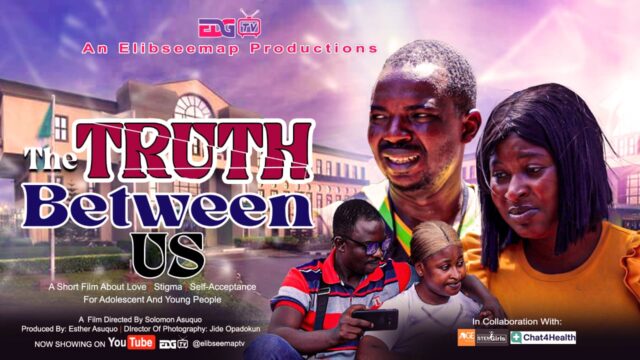
The African Girls Empowerment Network, in collaboration with EDG Film Productions, has released a powerful youth-centered short film titled “The Truth Between Us” to mark World AIDS Day 2025. The film is part of AGE Network’s ongoing Chat4Health Initiative, which uses creative digital storytelling to promote HIV awareness, reduce stigma, and encourage positive health-seeking behaviors among young people.

“The Truth Between Us” explores the complex realities of love, trust, HIV disclosure, and self-acceptance among adolescents and university students. Inspired by challenges faced by real young people, the film highlights the importance of empathy, open communication, and stigma-free community support.

Watch the full film here:
https://youtu.be/uQGqhN2gN3E?si=_8k7WvYwX_jEWYjp

Speaking on the release, Matina Ebri, Administrator of AGE Network and Programs Director, Adolescent & Youth Sexual & Reproductive Health & Rights, emphasized that stigma remains one of the biggest barriers preventing young people from accessing HIV testing, treatment, and psychosocial support. “Through this film, we aim to spark honest conversations, reshape harmful narratives, and empower young people to make informed choices,” she said.

Matina also expressed deep gratitude to AGE Network’s partners, Chat4Health Volunteers, and the entire cast and production team whose dedication made the film a reality. She extended special appreciation to PEPFAR Nigeria, Gilead Sciences Inc., and the African Women’s Development Fund (AWDF) for their partnership and support, which have been instrumental in making the Chat4Health program a sustained success.

The film is expected to serve as a useful tool for:

  • Youth engagement and community conversations
  • School and campus sensitization campaigns
  • Stigma-reduction and SRHR advocacy programs
  • Peer education and health club activities
  • Digital and social media awareness outreach
  • Screenings during HIV/SRHR programs and events

AGE Network invites youth-focused NGOs, schools, health institutions, and community organizations to use the film in their engagements. Partners interested in screenings, dialogues, or outreach collaborations are encouraged to contact the organization.

About AGE Network

The African Girls Empowerment Network is a youth-focused nonprofit organization advancing the rights, health, and empowerment of girls and young women in Nigeria. Through innovative programs in SRHR, education, Sports, gender justice, youth leadership, and digital advocacy, AGE Network continues to equip young people with the knowledge and platforms needed for healthy and empowered lives.

Media Contact

Matina Ebri
Director, Adolescent & Youth SRHR Programs
+234 806 276 2068
info@agenetwork.org
www.agenetwork.org

Judith Chime Queens Win Opening Match as PROFEMATEUR 7 Season X Kicks Off in Style

0

By The Moment for Women’s Sports Desk
October 26, 2025

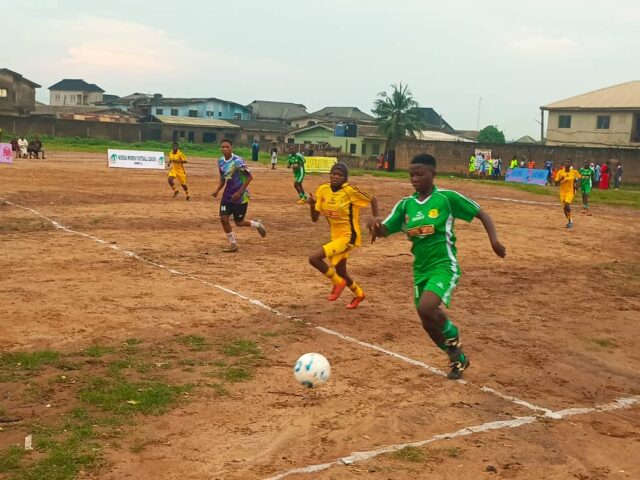
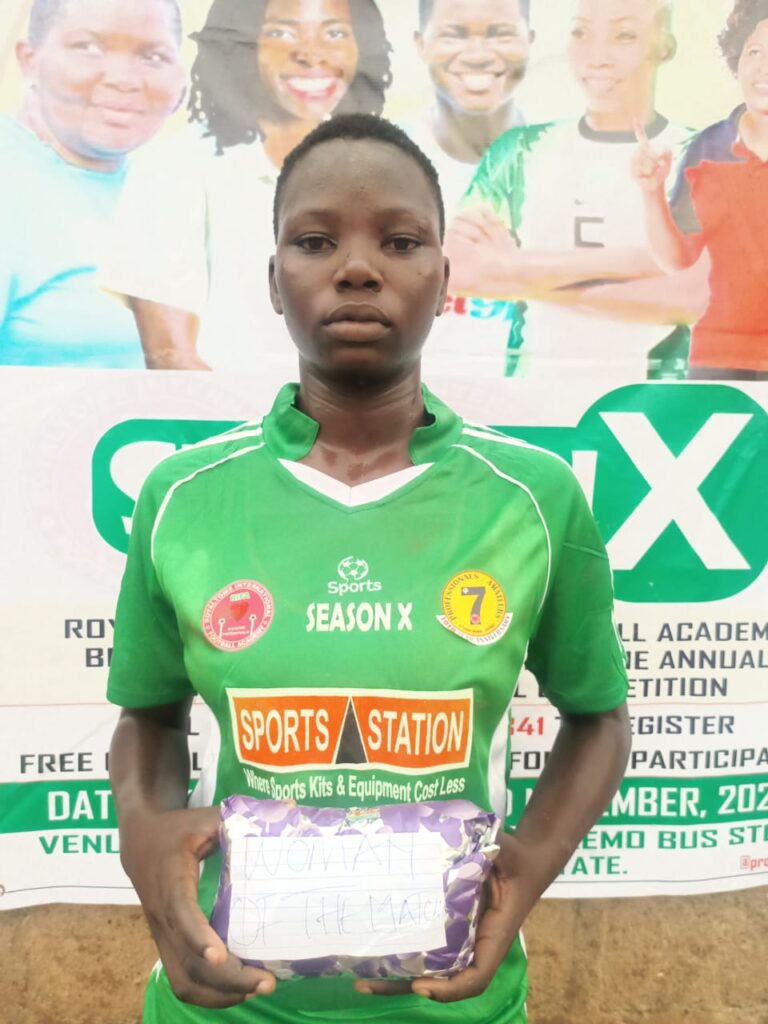
The much-anticipated 10th edition of the PROFEMATEUR 7 National Women’s Football Competition kicked off in grand style today, Sunday, October 26, 2025, with thrilling opening matches and a promising start for the Judith Chime Queens, who secured the first win of the tournament.

Organized annually by the Royaltoms International Football Academy, the PROFEMATEUR 7 celebrates Nigeria’s past and present Super Falcons and women footballers, promoting the visibility of women’s football and inspiring the next generation of players.

This year’s edition marks the 10th anniversary of the competition — a milestone that underscores its growing influence in Nigeria’s women’s football landscape.

Judith Chime Queens Secure Opening Win

In the standout match of the day, Judith Chime Queens triumphed 1–0 over Onosky Angels, a team led by former Super Falcons skipper Onome Eni. The decisive goal came from Owoyele Idera, whose clinical finish sealed the victory for the Chime Queens.

Reacting to the result, Judith Chime, a former Super Falcons goalkeeper and the team’s mentor, expressed delight at the team’s performance.

“I’m excited hearing the scores of the match,” she said. “I want the girls to keep winning. If they can lift the trophy this year, there’s a financial reward waiting for them — from my personal pocket.”

Other Results of the Day

The opening day also featured three other matches, with one more win and two goalless draws recorded:

  • Joy Etim Queens 0 – 0 Henrietta Ukaigwe Queens
  • Onosky Angels 0 – 1 Judith Chime Queens
  • Kolawole Queens 1 – 0 Ann Chinyere Angels
  • Sewa Bello Queens 0 – 0 Linda Chukwuji Queens

Tournament Groupings

Group A:

  • Sewa Bello Queens
  • Linda Chukwuji Queens
  • Joy Etim Queens
  • Henrietta Ukaigwe Queens

Group B:

  • Onosky Angels
  • Judith Chime Queens
  • Kolawole Queens
  • Ann Chinyere Angels

Organizers Promise a Memorable 10th Edition

Speaking at the opening ceremony, Olajide Royal, President of Royaltoms International Football Academy and founder of the PROFEMATEUR 7 competition, assured fans that the 10th edition would be the most exciting yet.

“We’ve put everything in place to ensure the players enjoy the best of women’s football,” Royal said. “The atmosphere is right, and this year’s event will give them a platform to truly showcase their talent.”

As the PROFEMATEUR 7 Season X unfolds, anticipation is high for more action, skill, and stories of rising stars in Nigerian women’s football.

Senator Ted Cruz Introduces Nigeria Religious Freedom Accountability Act, Citing Escalating Persecution of Christians

0

By Solomon Asuquo

United States Senator Ted Cruz (R-Texas) has re-ignited global attention on Nigeria’s worsening religious freedom crisis with the introduction of the Nigeria Religious Freedom Accountability Act of 2025.

Announcing the bill on October 20, Senator Cruz said the legislation aims to hold Nigerian officials accountable for “systematic persecution” of Christians and other religious minorities across the country.

“Nigerian state and federal officials have created an environment that facilitates mass violence by downplaying or ignoring these atrocities,” Cruz said on X (formerly Twitter).
“They continue to do so through a public campaign of denial and by enforcing blasphemy and sharia laws, which further endanger vulnerable communities.”

According to Cruz, the United States cannot “stand idly by” while religious persecution in Nigeria worsens, adding that Washington must use diplomatic and economic tools to pressure the Nigerian government to act.

Unprecedented Levels of Violence

Cruz cited alarming statistics in his series of posts, claiming that more Christians are killed specifically for their faith in Nigeria than anywhere else in the world.

“Since 2009, Islamist jihadists have massacred over 50,000 Christians in Nigeria and destroyed more than 20,000 churches, schools, and other Christian institutions,” he said.

He referenced reports by the U.S. State Department, the U.S. Commission on International Religious Freedom (USCIRF), and Open Doors, all of which have warned that Nigeria’s human rights situation “has not improved” and that violence against Christians is escalating.

Cruz also quoted a recent statement by the Christian Association of Nigeria (CAN), which decried the continuing “severe attacks, loss of life, and destruction of places of worship” in northern states.

Nigeria’s Response and Broader Implications

The Nigerian government has consistently denied claims of religious bias in its handling of insecurity, maintaining that extremist violence affects citizens of all faiths. Officials often argue that the country’s challenges are rooted in poverty, banditry, and terrorism rather than systematic religious persecution.

However, human rights organizations and local faith leaders have long accused authorities of failing to protect vulnerable communities or prosecute perpetrators of sectarian killings, particularly in the North-Central and North-West regions.

The new bill, if passed, could pave the way for targeted sanctions, visa bans, or restrictions on U.S. aid to Nigerian officials found complicit in religious persecution.

Global Concern over Nigeria’s Religious Crisis

Nigeria, Africa’s most populous nation, has been on the U.S. State Department’s Special Watch List for religious freedom violations multiple times over the past decade. Advocacy groups continue to warn that unchecked violence could further destabilize the region and worsen the humanitarian crisis, with thousands displaced and communities destroyed.

Cruz’s bill has sparked both support and debate in diplomatic circles, with some praising it as a bold step toward accountability, while others warn it could strain U.S.–Nigeria relations.

As of press time, Nigeria’s Ministry of Foreign Affairs had not issued an official statement in response to the senator’s remarks or the proposed legislation.

Editor’s Note

The Moment for Women stands for the protection of human rights, dignity, and freedom of religion and belief. We call on all governments to uphold justice and accountability for victims of violence and persecution in every nation.

Nigerians React as Senator Ned Nwoko Accuses Wife Regina Daniels of Drug Abuse and Violence

0

By The Moment for Women News Desk
Published: October 20, 2025

Social media was thrown into a frenzy on Sunday after Nigerian lawmaker and businessman Senator (Dr.) Ned Nwoko made shocking allegations against his wife, popular Nollywood actress Regina Daniels, accusing her of drug abuse and violent behavior.

In a lengthy post shared on his verified X (formerly Twitter) account on October 19, the senator representing Delta North claimed that Regina’s alleged “battle with drugs and alcohol abuse” was tearing their marriage apart and putting her safety at risk.

“Regina was not always like this. Her current battle with drugs and alcohol abuse is the root of our problem,” Nwoko wrote.
“She must continue her rehabilitation program, or I fear for her life and safety. Now she has moved to a place where she will have unrestricted access to drugs.”

According to Nwoko, the 25-year-old actress allegedly assaulted three domestic staff members, destroyed property including vehicles and windows, and threatened their resident nurse. He also stated that he had proposed rehabilitation for her either in Asokoro or abroad, particularly Jordan, where “she will not have access to drugs.”

The lawmaker alleged further that while he was away taking their son, Moon, to the hospital, chaos broke out at home — an incident he blamed on Regina’s alleged drug suppliers.

Public Outrage and Reactions

The senator’s post, which has since garnered over 5 million views, sparked a wave of reactions across social media. Many Nigerians criticized the lawmaker’s decision to publicly air private family issues, especially given his status as a sitting senator and public figure.

One user, @oteessolutions1, wrote:

“Ned, you have truly fallen short of what it means to be a man, not in wealth, not in title, but in wisdom and restraint. Bringing your marital issues to social media has stripped away every layer of dignity that should come with age and experience.”

Another user, @Ririchyy, expressed disbelief at the post, saying:

“Why is this on social media in the first place? Why will a senator post this about his wife who’s a celebrity? If a blogger does it, that’s different—but a senator?”

Others questioned the credibility of Nwoko’s claims, with some recalling past incidents involving the couple. A user, @Real_Giilo, referenced a video earlier this year where Regina’s mother appeared emotional, warning that the senator should be held responsible if anything happened to her daughter.

Public Concern and Calls for Restraint

While reactions remain mixed, many Nigerians have called for both parties to handle the matter privately, citing the potential emotional and psychological impact on their two young children.

Some commenters have urged the National Assembly and women’s rights advocates to intervene and encourage counseling and mediation, stressing that public accusations could worsen the situation.

Background

Regina Daniels, one of Nollywood’s most popular actresses, married Ned Nwoko in 2019. The marriage, which attracted public attention due to their 39-year age difference, has often been in the spotlight. The couple shares two sons and has frequently showcased their family life on social media.

Senator Ned Nwoko, 64, is a lawyer, businessman, and politician known for his philanthropic activities and vocal social media presence. He currently represents the Delta North Senatorial District in the Nigerian Senate.

As of the time of this report, Regina Daniels has not issued any public statement regarding the allegations.

Editor’s Note

Domestic disputes involving public figures often raise complex questions about accountability, privacy, and gender dynamics. The Moment for Women urges both parties to seek professional intervention and reminds readers that public accusations can have long-term emotional and legal consequences for families

0FansLike
0FollowersFollow
0FollowersFollow
0FollowersFollow
0SubscribersSubscribe

EDITOR PICKS