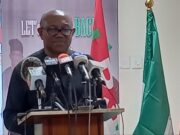
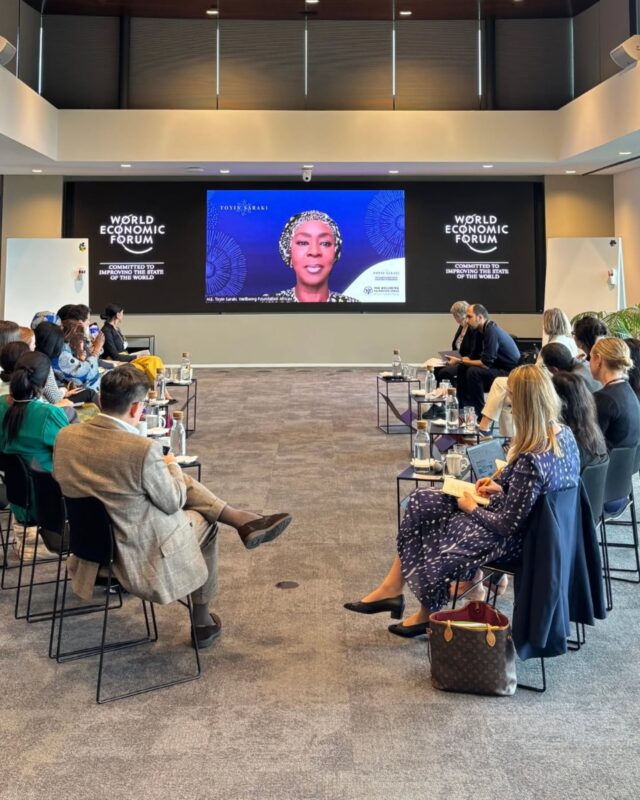
Geneva, Switzerland — In a compelling address delivered virtually during the inaugural World Economic Forum (WEF) Annual Health Roundtable 2025, Toyin Saraki, Founder of The Wellbeing Foundation Africa (WBFA), called for a bold reimagining of women’s health as central—not peripheral—to global health systems, sustainable development, and inclusive economic growth.
Speaking as a Champion of the Global Alliance for Women’s Health, on Friday, May 23, 2025, Saraki opened the high-level Champions Dialogue on the theme: “Shaping a New Narrative for Women’s Health in a Changing Global Landscape.” The event was held at the WEF headquarters in Geneva and brought together key stakeholders in global health policy and practice.
Saraki grounded her remarks in the lived realities and frontline work of WBFA in Nigeria, stating:
“Women’s health must no longer be treated as a peripheral issue. It is a core pillar of resilient health systems, sustainable economic growth, and inclusive development.”
She spotlighted Nigeria’s Maternal and Neonatal Mortality Reduction Innovation and Initiative (MAMII)—a flagship program of the Federal Ministry of Health—as a model of national leadership in tackling systemic health inequalities. Through WBFA’s engagement with MAMII, the Foundation continues to champion reforms in midwifery education and ensure quality maternal health supply chains.
Saraki further emphasized that cross-sector collaboration, evidence-based interventions, and inclusive policy-making are critical to scaling lasting solutions.
“The power of coordinated action—from community to global level—can unlock transformative outcomes for women, families, and entire health systems.”
She also recognized the role of the Global Activators Network in advancing this agenda and commended Dr. Shyam Bishen, Head of Health and Healthcare at WEF, for convening the platform.
Concluding her remarks, Saraki called on leaders and institutions to commit to a renewed vision for women’s health—one anchored in equity, urgency, and global solidarity:
“At this critical moment for global health governance, we must rewrite the narrative—placing women’s health at the center of every policy and investment decision.”
As advocates for gender justice, The Moment for Women Magazine continues to spotlight women’s leadership shaping global health, development, and governance.
Photocredit: Imo State Ministry of Women Affairs and Social Welfare
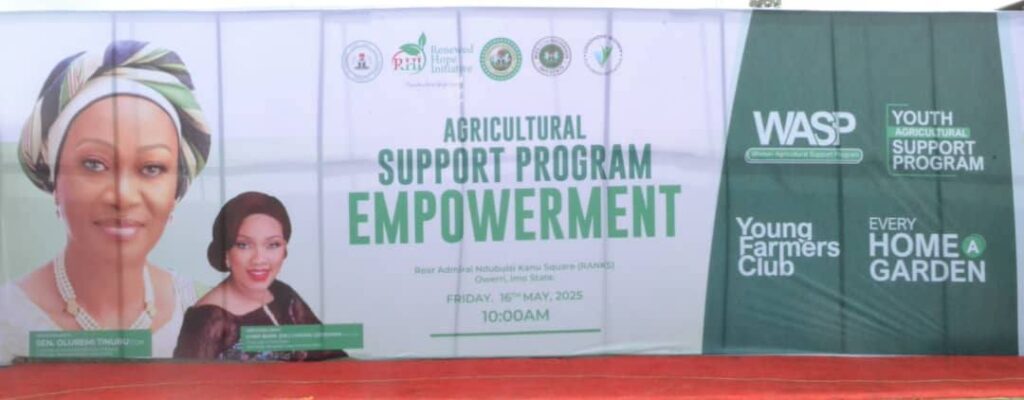
Owerri, Imo State — As part of its nationwide campaign to promote food security, youth employment, and environmental sustainability, the Renewed Hope Initiative (RHI) has launched the second batch of the “Every Home a Garden” competition in Imo State. The official launch event was held on May 16, 2025, at Rear Admiral Ndubuisi Kanu Square in Owerri.
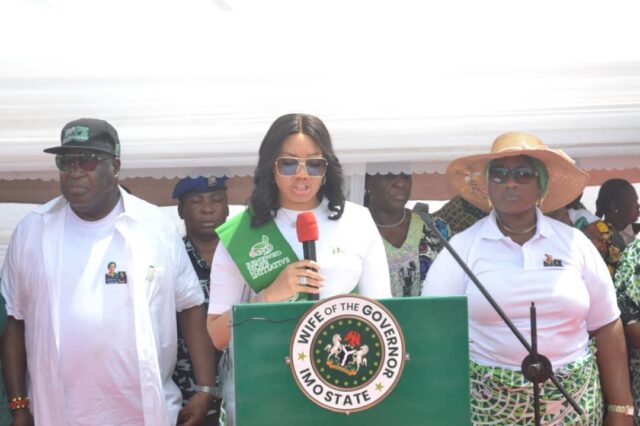
The program was spearheaded by the First Lady of Imo State and Secretary of the RHI, Chief Barr. Mrs. Chioma Uzodimma, who also represented the First Lady of Nigeria, Senator Oluremi Tinubu, at the occasion. The initiative seeks to encourage households to engage in home gardening as a tool for grassroots economic development, self-reliance, and environmental resilience.
Sponsored post
In her address, Mrs. Uzodimma emphasized the role of women and youth in driving sustainable development: “Women bring resilience and expertise, and youths contribute innovation and energy. Together, they are essential in achieving sustainable development. We want you to support the sustainability plan of this initiative by making good use of the seedlings for increased food security in the State.” she said.
The event featured the inauguration of the Young Farmers Club, the distribution of gardening tools and seedlings, and financial empowerment of 300 beneficiaries, including students, women, and young aspiring farmers.
credit: Imo State Ministry of Women Affairs and Social Welfare
Present at the event were dignitaries from the Ministry of Women Affairs and Social Welfare and the Imo State Ministry of Agriculture, among others. The Commissioner for Agriculture, Chief Cosmas Maduba, praised the RHI and the First Ladies for their leadership and urged beneficiaries to use the tools and seedlings for their intended purpose: “I applauded Her Excellency, Chief Barr Mrs Chioma Uzodimma, for her commitment to raising young farmers through the establishment of the Farmers Club in the state as a model for food security. I encouraged the farmers to ensure that the inputs and seedlings serve the intended purpose,”
The Every Home a Garden challenge is part of the broader agenda of the Renewed Hope Initiative to promote agricultural innovation, environmental cleanliness, and economic empowerment, particularly among women and youth.
The Moment for Women Magazine commends this initiative and will continue to amplify programs that align with sustainable agricultural practices and the empowerment of grassroots women’s movements across sub-Saharan Africa.
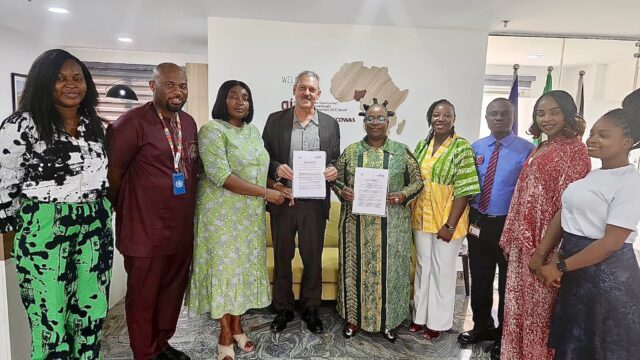
Abuja, Nigeria — In a significant step toward accelerating gender equality in Nigeria, UN Women Nigeria, GIZ Nigeria, and the Economic Community of West African States (ECOWAS) have signed a Memorandum of Understanding (MoU) to deepen strategic collaboration on advancing women’s rights and empowerment.
The agreement, signed on May 23, 2025, aims to strengthen joint efforts to break long-standing gender barriers and promote inclusive development for women and girls across Nigeria and the West African region.
According to UN Women Nigeria, the partnership underscores a shared commitment to fostering a more equal and just society through initiatives focused on policy advocacy, women’s leadership, economic empowerment, and eliminating gender-based violence.
The Moment for Women Magazine welcomes this renewed collaboration and will continue to monitor its implementation and impact on the lives of grassroots women and girls in Nigeria.
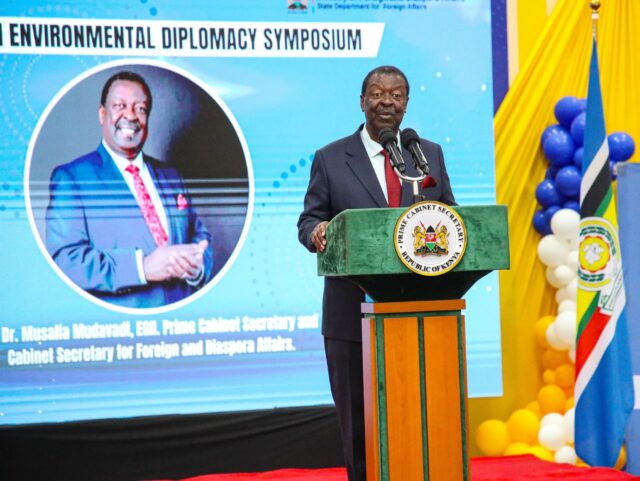
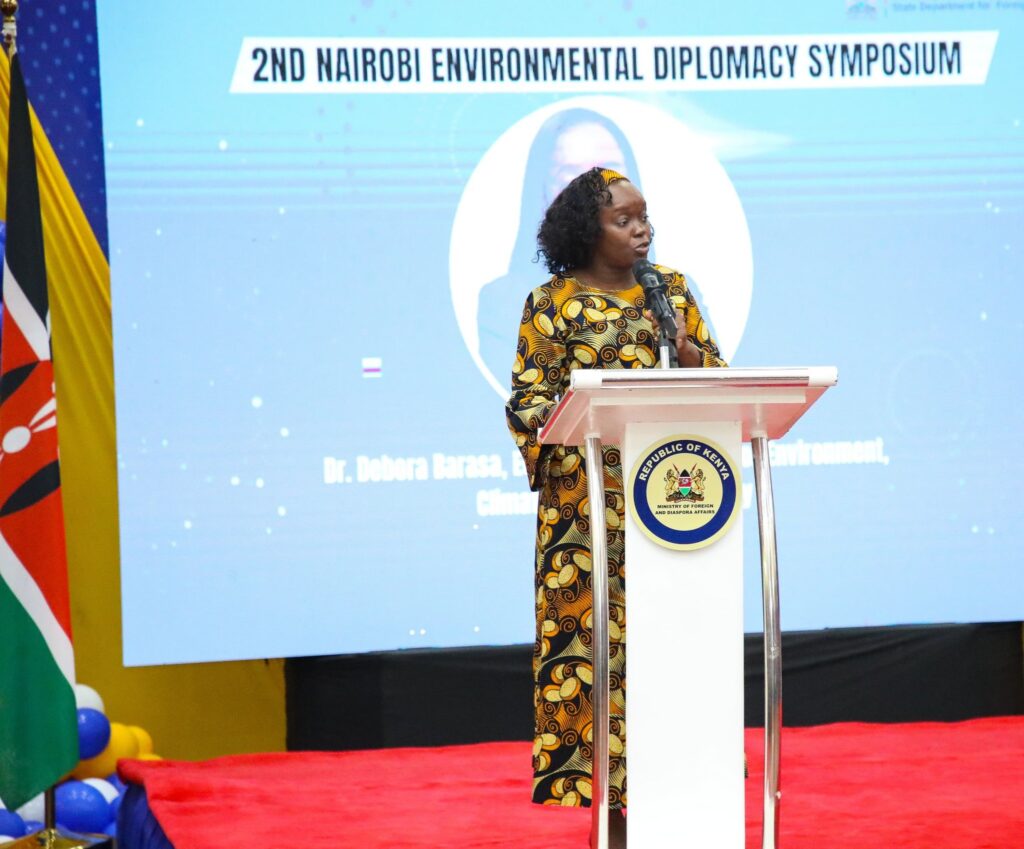
Nairobi, Kenya — In a show of renewed commitment to environmental diplomacy and sustainable ocean governance, Kenya’s Cabinet Secretary for Environment, Climate Change & Forestry, Dr. Deborah Mlongo Barasa, on Thursday, May 23, 2025, joined national and international delegates at the Second Edition of the Nairobi Environmental Diplomacy (NED) Symposium, held at the United States International University-Africa (USIU-A).
Accompanied by Principal Secretary Dr. Eng. Festus K. Ng’eno, and with Prime Cabinet Secretary and Foreign Affairs CS, H.E. Dr. Hon. Musalia W. Mudavadi serving as the Chief Guest, the high-level forum convened a broad coalition of stakeholders—from diplomats and scientists to civil society leaders and development partners—committed to tackling urgent environmental challenges.
In her keynote address, Dr. Barasa emphasized the timeliness of the symposium, as Kenya gears up for two major global summits: the Third UN Ocean Conference (UNOC-3) in Nice, France, and the fifth session of the Intergovernmental Negotiating Committee (INC-5.2) on plastic pollution in Geneva.
“Let us keep in mind that diplomacy is not just the art of negotiation but also the architecture of hope—a hope that cuts beyond boundaries, ideologies, and short-term interests,” Dr. Barasa stated.
She reaffirmed Kenya’s commitment to SDG 14: Life Below Water, praised the Nice Ocean Action Declaration, and pushed for greater representation of the Global South, especially coastal communities and Small Island Developing States (SIDS).
Barasa also highlighted Kenya’s progress in marine conservation, including the creation of marine protected areas, the nationwide ban on single-use plastics, and advancements in blue economy initiatives. She called for a legally binding global treaty on plastics that addresses the full lifecycle of plastics and safeguards both environmental and human health.
On his part, Dr. Mudavadi raised alarm over mounting threats to marine ecosystems, including Illegal, Unreported, and Unregulated (IUU) fishing, deep-sea mining, maritime crime, and plastic pollution. He advocated for:
1. A science-policy panel to guide ocean governance.
2. A robust legal instrument for sustainable ocean management.
3. A UN Ocean Finance Facility to fund climate-resilient marine initiatives.
Dr. Mudavadi also endorsed the adoption of a global plastics treaty at the upcoming Geneva summit and celebrated the African Union’s support for the UNEP Secretariat role in treaty negotiations—a move he described as crucial for enhancing global environmental governance.
Also present were Prof. Mwenda Ntarangwi (Vice Chancellor, USIU-A), Mr. Ibukun Adewumi (Head of UNESCO-IOC Africa), along with ambassadors, high commissioners, and key representatives from academia, civil society, and the private sector.
The NED Symposium marks a growing recognition of Africa’s leadership in shaping international environmental policy, and the need for collaborative diplomacy that drives action beyond promises.
The Moment for Women Magazine continues to follow these developments closely—particularly the implications for women-led environmental movements and community-based resilience across the continent.
Abuja, Nigeria — The CIVICUS Freedom of Peaceful Assembly (FoPA) team is set to visit Nigeria’s capital as part of the WeRise! Cohort 2 Onboarding Week, and will host a special Meet & Greet Dinner with local members of the global civil society alliance.
Scheduled for Thursday, May 29, 2025, from 5:00 PM to 7:00 PM, the dinner aims to foster connection, collaboration, and informal dialogue among Nigerian members of CIVICUS. The gathering, described by organizers as a relaxed networking opportunity, will provide a platform to share experiences and reflect on the state of civic space in Nigeria.
“We’re thrilled to be in Abuja and are looking forward to meeting with our Nigerian members face-to-face,” the FoPA team stated. “This dinner is a chance to strengthen bonds and exchange ideas in an informal setting.”
While venue details have yet to be disclosed, interested participants are encouraged to confirm attendance by filling out a registration form provided by the organizers. However, CIVICUS clarified that the event will be self-funded, and no transportation or travel costs will be covered for attendees.
The visit comes at a critical time when Nigerian civil society continues to navigate tightening civic space and growing concerns around freedom of expression and peaceful assembly. For many women-led and grassroots organizations, such opportunities offer a vital space to build solidarity and elevate their work.
As part of our ongoing coverage on civic engagement and women’s rights in Nigeria, The Moment for Women Magazine will continue to report on developments from the WeRise! Onboarding Week and this upcoming CIVICUS event.
The CIVICUS Freedom of Peaceful Assembly (FoPA) initiative is a global program dedicated to promoting and protecting the right to peaceful assembly. Operating under the umbrella of CIVICUS: World Alliance for Citizen Participation, FoPA works to support civil society actors, grassroots movements, and human rights defenders facing restrictions or threats while exercising their right to organize, protest, and mobilize.
Human trafficking remains one of the gravest human rights violations affecting vulnerable Nigerians—especially women and children. With thousands of victims trafficked each year under false pretenses of employment, education, or better opportunities abroad, this crisis continues to rob individuals of their dignity, safety, and future. Nigeria, as both a source and transit country, faces growing pressure to strengthen its efforts in prevention, protection, prosecution, and partnership.
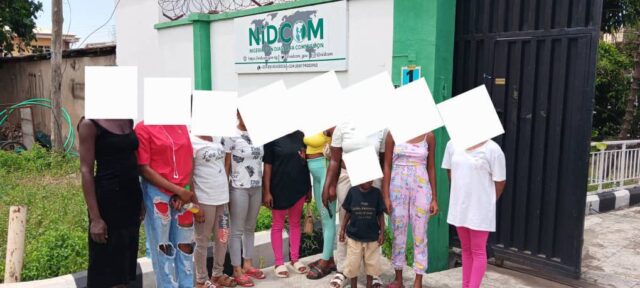
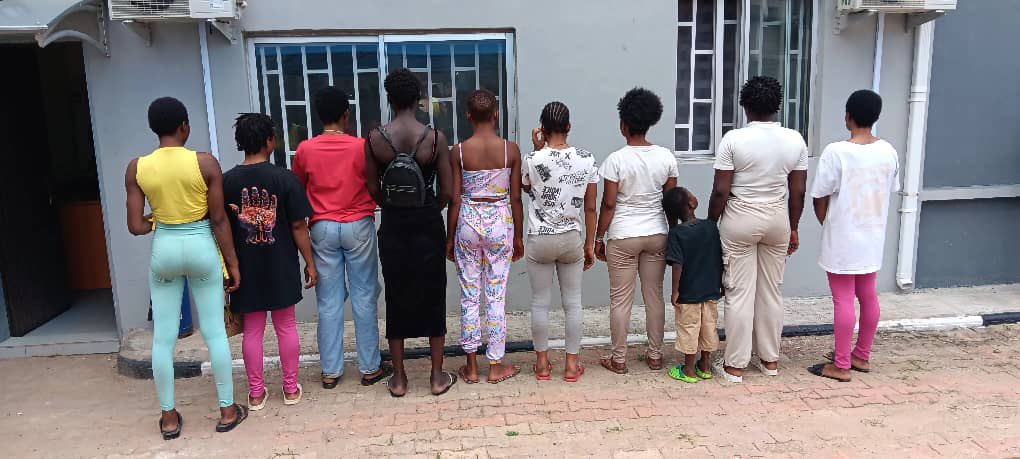
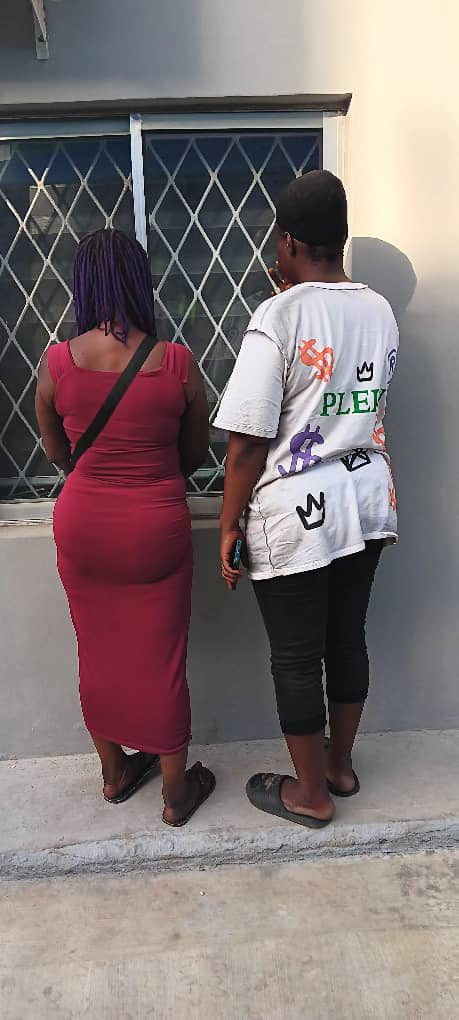
In a disturbing but all-too-common development on Sunday, 18 May 2025, the Nigerians in Diaspora Commission (NiDCOM) received yet another group of Nigerian trafficking victims—ten young girls and a five-year-old boy rescued from Ghana, along with two girls repatriated from Mali.
Disclosing this in an e-signed statement released on its official Twitter/X handle on Sunday, 18 May 2025 by Abdur-Rahman Balogun Director of Media, Public Relations and Protocols Unit NiDCOM, the Nigerians in Diaspora Commission (NiDCOM) announced the safe return of 12 trafficked individuals reportedly from Adamawa State North East Nigeria.
According to the Commission, the victims were deceitfully lured abroad with false promises of employment but were instead trafficked into prostitution and subjected to harrowing experiences of physical, sexual, and emotional abuse.
Mr. Dipo Odebowale, Head of NiDCOM’s Lagos Liaison Office, received the returnees from Ghana on behalf of Hon. Abike Dabiri-Erewa, Chairman/CEO of NiDCOM. According to Mr. Odebowale, the girls were deceived into leaving Nigeria under the pretense of securing jobs.
The Commission confirmed that all victims have been handed over to the National Agency for the Prohibition of Trafficking in Persons (NAPTIP) for proper profiling, documentation, and rehabilitation.
Hon. Dabiri-Erewa expressed deep concern over the increasing number of trafficking cases and reaffirmed the Commission’s commitment to supporting the survivors. She stated that NiDCOM would work closely with the Adamawa State government to ensure the girls are rehabilitated and reunited with their families.
She also called for a nationwide crackdown on human traffickers and their collaborators, emphasizing the need for naming, shaming, and prosecuting offenders to deter future crimes and dismantle trafficking networks.
The Moment for Women Magazine stands in solidarity with survivors of human trafficking and urges all stakeholders—government, civil society, media, and community leaders—to intensify collaborative efforts in combating trafficking and safeguarding the rights of every woman and child in Nigeria.
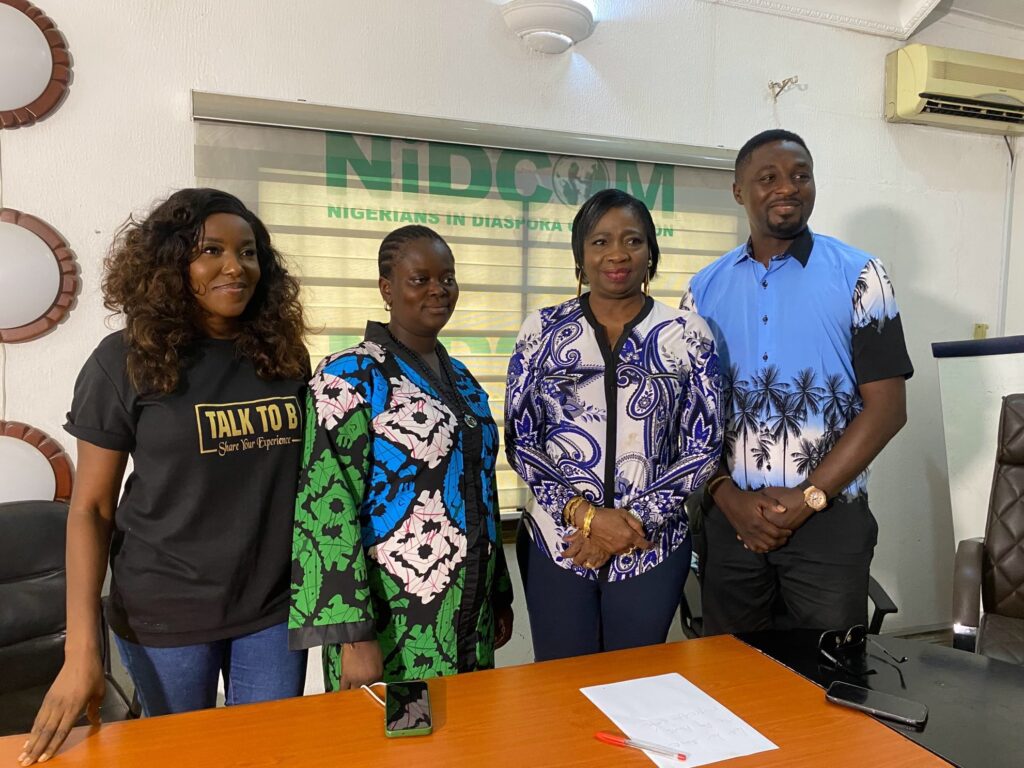
In the same development, the Commission (NiDCOM) also confirmed the RETURN of ADEOLA, DAUGHTER of ACTRESS Jumoke George from Mali, on Monday, 19 May 2025. The Statement reads, “Nigerians in Diaspora Commission (NiDCOM) facilitates the RETURN of ADEOLA, DAUGHTER of ACTRESS Jumoke George from Mali. Recall Adeola, the 41-year-old daughter of veteran Yoruba actress Jumoke George, was found in Mali after being declared missing for four years.”
“Jumoke (Mother) had earlier revealed the disappearance during an interview on the Talk to B show hosted by actress Abiola Bayo. She stated that Adeola had been living with her grandmother in Ibadan and was last seen after informing the family she was travelling to Lagos. “
Source: Nigerians in Diaspora Commission (@nidcom_gov) – Official Twitter/X Handle
In what health analysts are calling a bold shift toward health sector industrialization, Nigeria’s Federal Ministry of Health and Social Welfare has inaugurated a high-level committee to drive the commercialization of indigenous herbal medicine. The move is aimed at tapping into the multi-billion-dollar global phytomedicine market—one long dominated by countries like China and India.
The initiative, unveiled in Abuja on Sunday, May 5, 2025, is designed to transition Nigeria’s wealth of traditional medicinal knowledge from the informal economy into a globally competitive, value-driven sector.
At the inauguration, Minister of State for Health and Social Welfare, Dr. Iziaq Adekunle Salako, described the project as “a defining moment” in the country’s efforts to reposition healthcare and leverage natural resources for economic growth. “We are not only preserving our indigenous knowledge,” he said, “we’re building an industry around it.”
A Strategic Move in an Overlooked Sector
For decades, Nigeria’s traditional medicine systems—largely led by rural women, herbalists, and indigenous knowledge keepers—have remained on the fringes of national health policy and economic planning. With this new Phytomedicine Value Chain Initiative, the government is signaling a long-overdue recognition of the sector’s potential.
The newly constituted committee is expected to chart a commercialization framework, identify viable herbal products, and recommend the kind of policy reforms that would encourage private sector investment and cross-sector collaboration.
Experts say if properly executed, the plan could generate thousands of jobs across agriculture, manufacturing, research, and export areas where women and youth stand to benefit significantly.
Aligning Tradition with Science
But the road ahead will not be without challenges. Integrating traditional medicine into modern health systems requires a careful balance between cultural respect and scientific validation. The Ministry has pledged to ensure all developments adhere to World Health Organization (WHO) standards—a nod to safety, quality, and international competitiveness.
“The global herbal medicine industry is worth over $100 billion and growing,” said Dr. Salako. “Nigeria has every resource it needs to be a serious player—what we’ve lacked is structure. That ends now.”
A Potential Boon for Rural Women
This development could be a major win for rural women who have been stewards of traditional medicine for generations, often without recognition or formal support. Advocates for gender equity in health innovation are calling on the government to ensure women-led herbal enterprises and local cooperatives are not left behind in this commercialization push.
For The Moment for Women Magazine, this is more than a health or economic story—it’s a women’s empowerment issue in the making, and we will continue to follow this story closely, with a focus on how the initiative impacts women, traditional practitioners, and local communities across Nigeria.
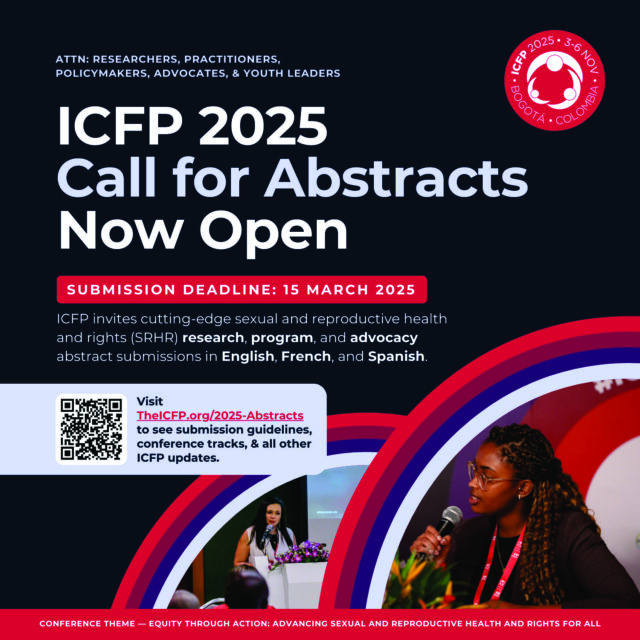
The International Conference on Family Planning (ICFP) 2025 is now accepting submissions for abstracts focused on sexual and reproductive health and rights (SRHR). The conference, which will be held from November 3–6, 2025, in Bogotá, Colombia, invites researchers, program implementers, and advocates to submit their work that addresses critical SRHR challenges, particularly in low-income and underserved regions.
This year’s theme, “Equity Through Action: Advancing Sexual and Reproductive Health and Rights for All,” emphasizes the need for equitable access to reproductive health services and the importance of inclusive policies. The ICFP 2025 encourages submissions that contribute to advancing SRHR outcomes globally, with a particular focus on marginalized communities.
Submitters can choose from 14 distinct tracks when submitting their abstracts. These tracks cover a wide range of topics critical to SRHR and family planning, including:
Equity Through Action: Advancing Sexual and Reproductive Health and Rights for All
Environment and Climate Change
Population and Sustainable Development
Social Norms and Behavior Change
Social Determinants of Reproductive Health Outcomes Across the Life Course
Gender and Power Dynamics
Access, Integration, Quality, and Technology
Markets, Financing, and Commodity Security
Adolescents and Youth
Humanitarian Settings and Crises
Faith and Religion
Advances in Measurement and Analytics
Sexuality and Sexual Health
Overlooked Areas in Sexual and Reproductive Health and Rights
All abstracts must be submitted by March 15, 2025, at 11:59 PM ET. Submissions can be made either as individual papers or preformed panels. Submissions that use robust scientific methodologies and evaluation techniques will receive priority consideration.
For more details on submission guidelines and to access the official ICFP 2025 abstract portal, visit ICFP 2025 Abstracts.
The Civil Society for HIV/AIDS in Nigeria (CiSHAN) has called on the Nigerian government to take immediate action in mobilizing domestic resources to sustain the country’s HIV response. In a statement issued by Dr. Bright Oniovokukor, the South-South Zonal Coordinator of CiSHAN, the group expressed deep concern over the heavy reliance on donor funding, warning that Nigeria’s progress in combating HIV/AIDS is at a critical juncture.
Nigeria has recorded significant strides in its HIV response, primarily due to international donor support. Antiretroviral therapy (ART) has helped slow the progression of HIV to AIDS, and the “Undetectable = Untransmittable” (U=U) campaign has increased awareness about the importance of viral suppression. Additionally, many women living with HIV have successfully given birth to HIV-negative babies, showcasing the effectiveness of prevention measures. However, CiSHAN warns that these gains are now at risk due to inadequate domestic funding.
The press release read in part: “Nigeria’s HIV response has made significant strides in recent decades, driven largely by donor funding. The introduction of antiretroviral therapy (ART) has slowed the progression of HIV to AIDS, and the ‘Undetectable = Untransmittable’ (U=U) campaign has raised awareness about the importance of viral suppression.”
Dr. Oniovokukor further stated, “With the US government’s recent review of its foreign aid, the HIV response in Nigeria is facing a critical juncture.”
It would be recalled that the Trump-Vance-led government has recently frozen foreign aid, further exacerbating the uncertainty surrounding Nigeria’s HIV response efforts.
Challenges Threatening Nigeria’s HIV Response
CiSHAN highlighted several pressing issues that could undermine progress if not addressed:
Funding Uncertainty – The pause in US interventions has created panic within Nigeria’s HIV response efforts, as many programs remain heavily dependent on donor support. For years, national, state, and local governments have failed to allocate sufficient funding to sustain HIV programs.
Poverty and Economic Challenges – Economic hardship is pushing individuals into risky behaviors, such as transactional sex, while limited access to condoms exacerbates the risk of HIV transmission.
Drug Use and Risky Behaviors – The rising prevalence of drug use among Nigerian youths and its link to unsafe sexual practices is accelerating the spread of HIV.
Lack of Awareness and Sensitization – The shift in donor focus, particularly from the US, has led to a decline in HIV prevention efforts, leaving many children and adolescents uninformed and vulnerable to infection.
CiSHAN’s Call to Action
To prevent a setback in Nigeria’s fight against HIV/AIDS, CiSHAN has issued urgent recommendations:
Declaration of a State of Emergency – President Bola Ahmed Tinubu should declare a state of emergency on HIV response to mobilize urgent national action.
Increased Domestic Funding – Federal, state, and local governments must commit to mobilizing domestic resources for HIV response. Dr. Oniovokukor emphasized, “Despite the Abuja Declaration’s call for governments to allocate at least 15% of their national budgets to health, Nigeria’s 2025 budget has allocated less than 0.0001% to HIV programs. This is unacceptable.”
Stakeholder Collaboration – A unified response involving government agencies, civil society, and the private sector is essential to sustaining HIV efforts. CiSHAN also noted that the civil society response has weakened and emphasized the need for a renewed, collective effort.
A Critical Moment for Nigeria’s HIV Response
CiSHAN warns that inaction could reverse the progress made over the past two decades. With concerted efforts and a strong commitment to domestic funding, Nigeria can sustain its HIV response and achieve its goal of ending AIDS by 2030.
“The time to act is now. Nigeria cannot afford to lose the gains made in the fight against HIV. We must prioritize our health systems and ensure that our response is driven by sustainable funding and strategic policies,” Oniovokukor urged.
As Nigeria navigates the future of its HIV response, the question remains: Will the government step up to the challenge, or will decades of progress be undone?
The Moment for Women Magazine will continue to monitor developments on this critical issue.
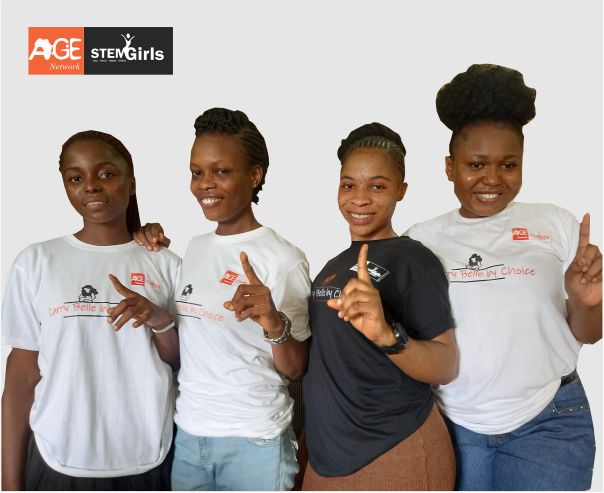
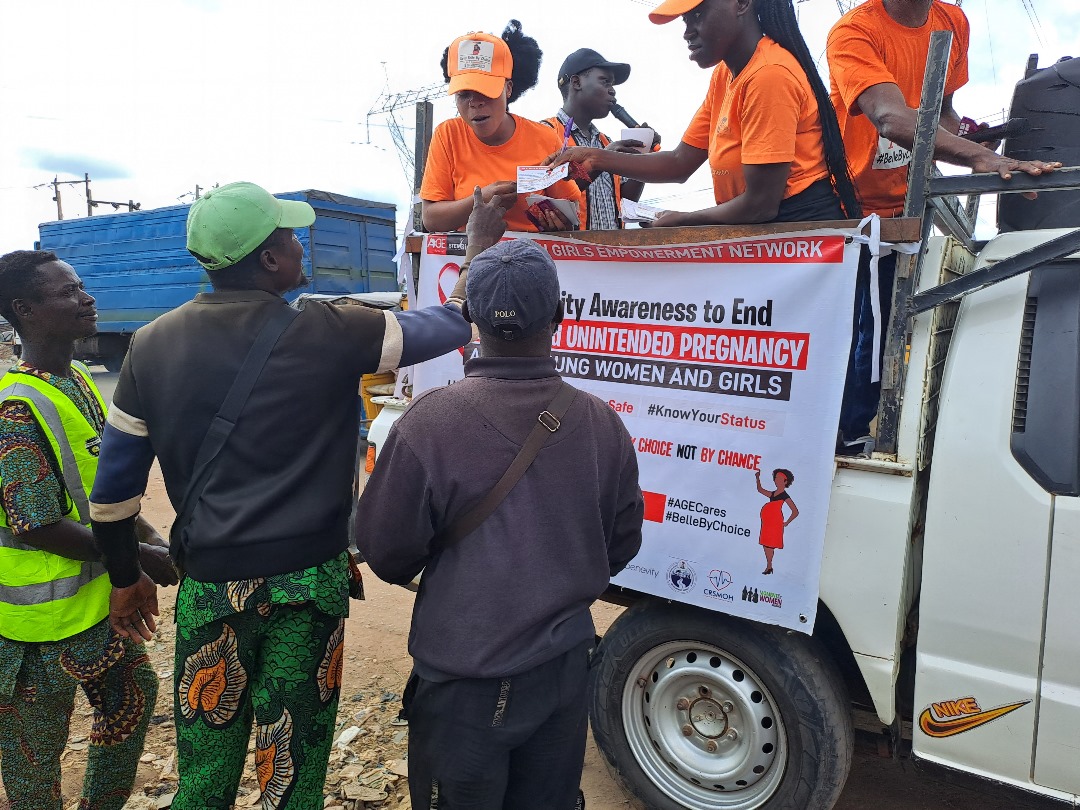
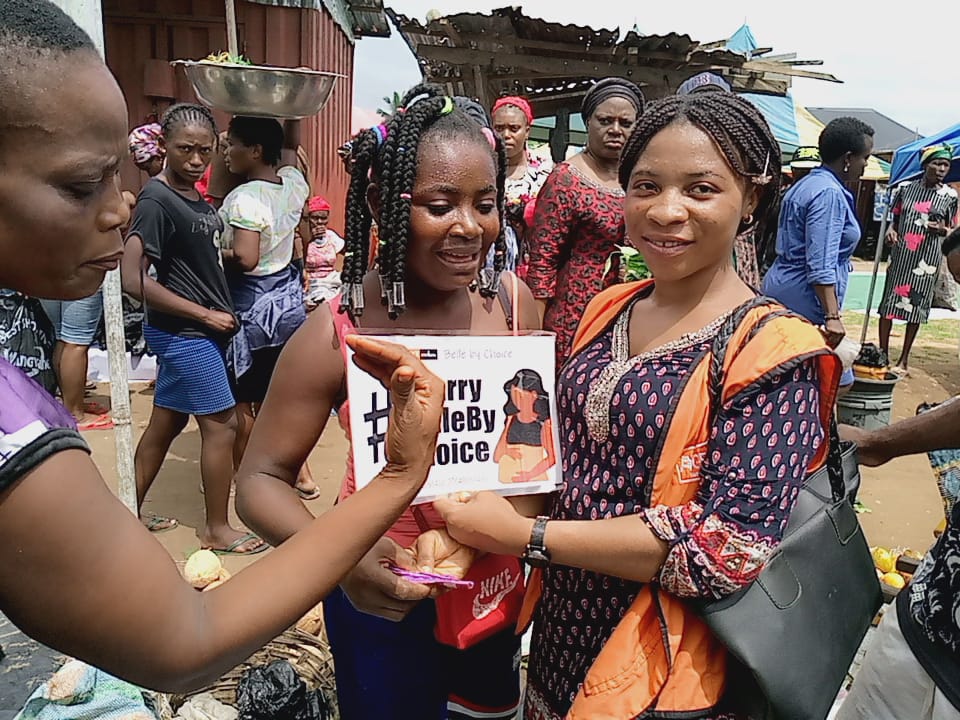
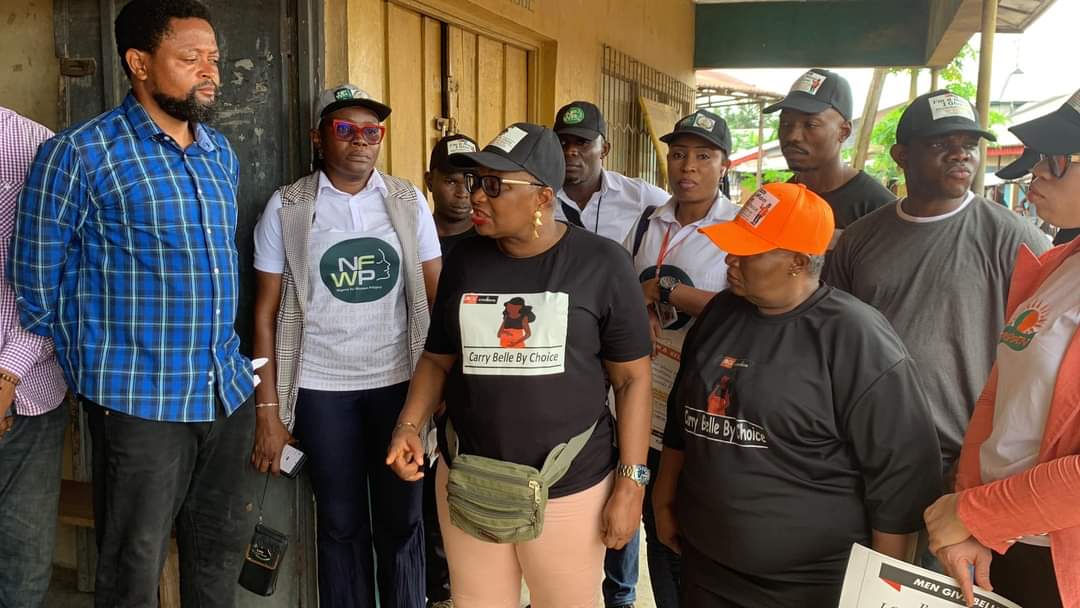
In a candid conversation with Ms. Matina Ebri, an advocate for adolescent and youth sexual and reproductive health and rights, and the Administrator of the African Girls Empowerment Network (AGE Network), we explore the groundbreaking Belle by Choice Initiative Campaign and its transformative impact on reproductive health rights in Nigeria.
Thank you for the opportunity to meet with you, Matina. Let’s start with the basics. What exactly is the Belle by Choice Initiative, and why is it so significant?
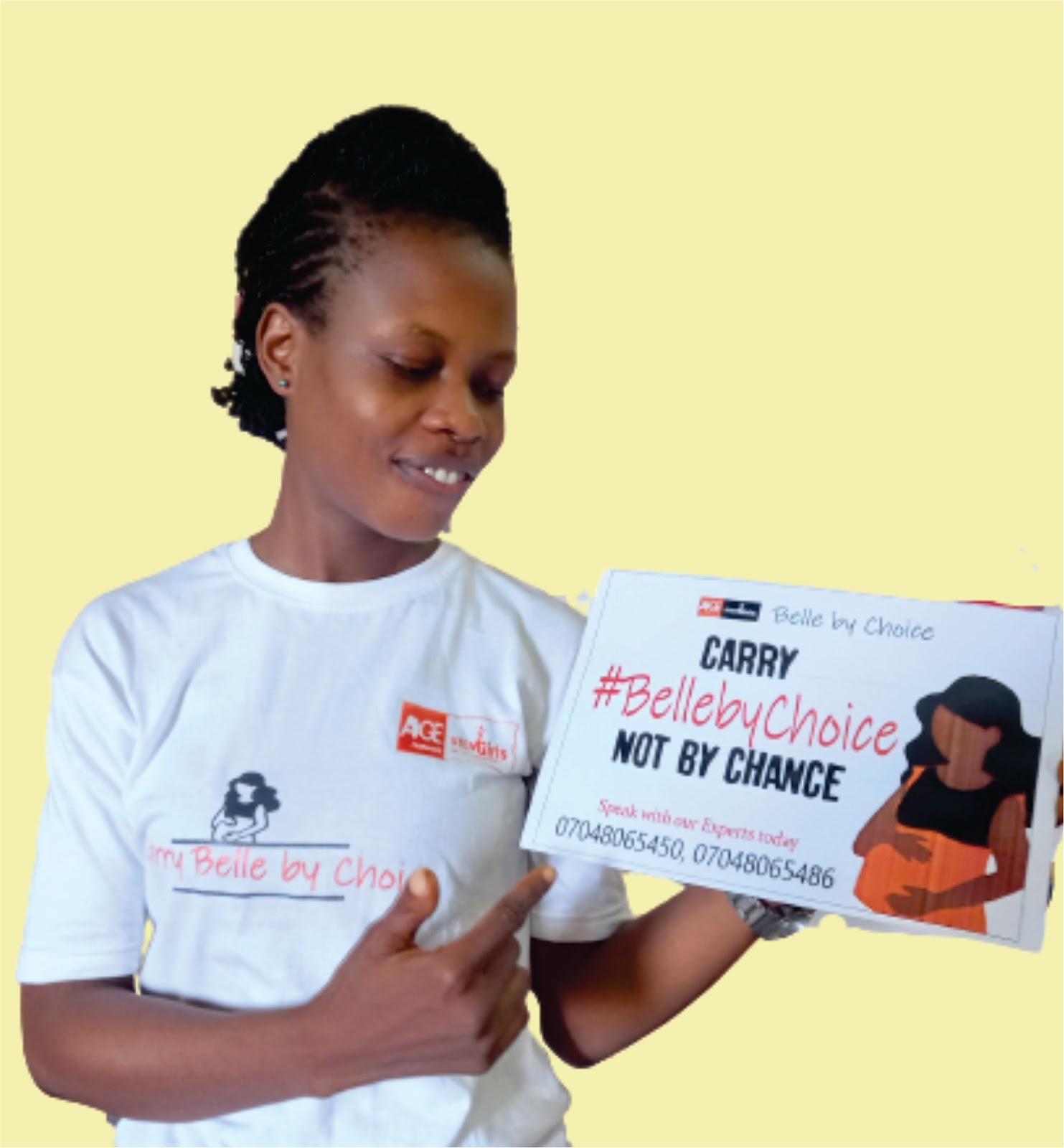
Matina Ebri: Thank you for having me! The Belle by Choice Initiative is our flagship program, launched in September 2021, with funding from the African Women Development Fund and the Global Fund for Women. The term “Belle” is a pidgin word for “pregnancy,” and this initiative focuses on ensuring that women and adolescent girls in Nigeria can make informed and empowered choices about when and if to carry a pregnancy. It’s a holistic, gender-transformative approach aimed at flattening the curve of unwanted pregnancies while addressing issues like unsafe abortion, school dropouts, child marriage, and preventable maternal mortality.
That’s impressive. What inspired the launch of this initiative?
Matina Ebri: The Belle by Choice Initiative was inspired by the urgent need to address deep-rooted issues like harmful gender norms, sexual violence, and the stigma surrounding contraception and family planning. These are the silent drivers of unwanted pregnancies and unsafe abortions in Nigeria.
During the COVID-19 health crisis and lockdown in 2020, we witnessed a surge in reports and cases of unsafe abortions resulting from unwanted pregnancies among women and girls. At the time, with support from the Global Fund for Women, we were actively responding to the situation through a project called Campaign to Advance the Sexual and Reproductive Health and Rights of Young Women and Girls. This two-year project allowed us to provide critical support and resources during heightened needs.
When we evaluated the outcomes of that project in 2021 Belle by Choice was born to give women and girls the tools and knowledge to reclaim their reproductive rights and ensure pregnancy happens by choice, not by chance.
Since its launch, how has the initiative evolved?
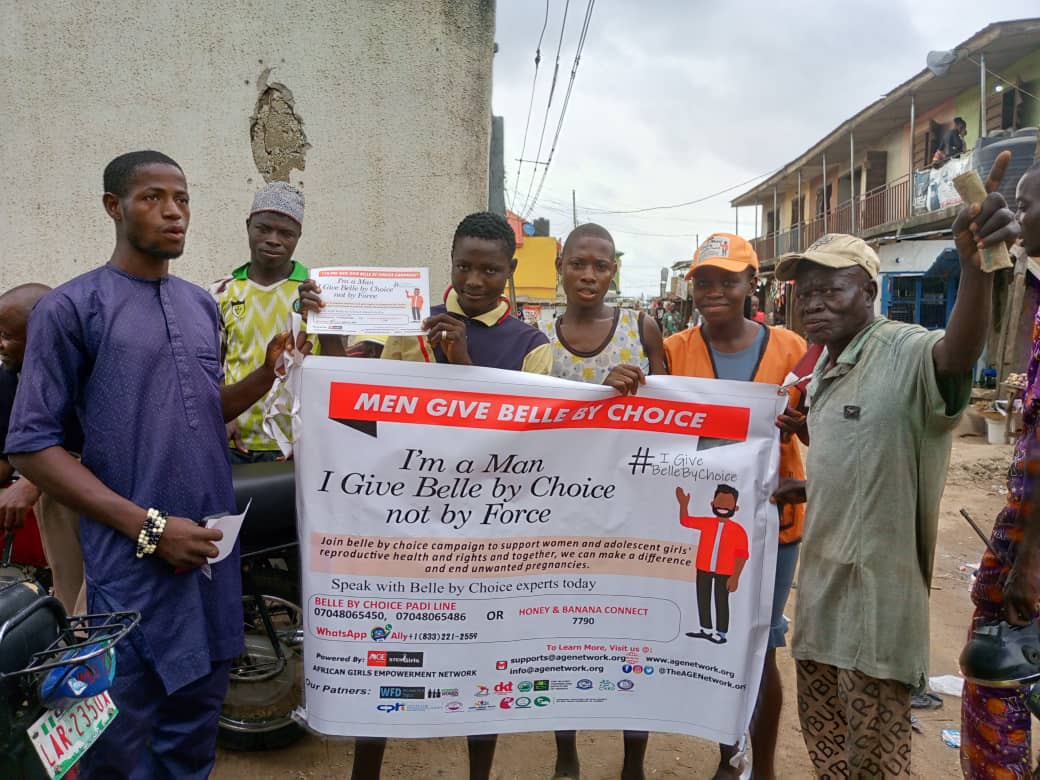
Matina Ebri: It’s grown beyond our expectations. What started as an initiative is now a movement with members across Nigeria’s six geopolitical zones. In 2022 and 2023, we had massive success with campaigns like #10000WomenCarryBelleByChoiceNotByChance and #10000MenGiveBelleByChoiceNotByForce.
These campaigns mobilized thousands of women, girls, and men and relevant stakeholders like the Ministry of Health in Cross River State, Lagos, Ogun, and the United Nations Population Fund Cross River office to champion reproductive health and shared responsibility in preventing unintended pregnancies.
The focus on men in your campaign is unique. Why is their involvement important?
Matina Ebri: Men are critical stakeholders in this conversation. By engaging men and youths through our campaigns, we emphasize their role in supporting women’s choices and addressing issues like rape, sexual & intimate partner violence, and gender inequality.
The #10000MenGiveBelleByChoiceNotByForce campaign, for instance, underscores the importance of consent and shared responsibility.
Beyond advocacy, what practical steps has the Belle by Choice Initiative taken to address unsafe abortion?
Matina Ebri: We’ve taken a multi-pronged approach. First, we’re tackling stigma by providing education about the legal grounds for abortion in Nigeria. Many people don’t realize that while abortion is broadly criminalized, there are specific legal grounds under which safe abortion is permitted, such as cases involving the preservation of a woman’s life or incest. Educating communities about these exceptions is critical, and the lack of awareness is one reason for the high incidence of unsafe abortion among young women.
How does the movement address harmful cultural practices like child marriage and female circumcision?
We also provide free modern contraception and family planning commodities and services to women and girls of reproductive age, ensuring they have access to preventive measures. Beyond that, we engage policymakers to advocate for legal reforms that prioritize women’s health and work toward decriminalizing abortion altogether.
Matina Ebri: These practices are deeply intertwined with unwanted pregnancies and maternal mortality. Through community dialogues and partnerships with traditional and religious leaders, we’re working to shift attitudes and end these harmful norms. Our mission is to create an environment where women and girls can thrive without the burden of these harmful practices.
What has been the most rewarding part of leading this initiative?
Matina Ebri: Watching the transformation in communities has been incredibly rewarding. Seeing women and girls confidently make choices about their lives, and men stepping up to be allies, gives us hope for a better future. The stories of hope and resilience from those who have benefited from the Belle by Choice Movement keep us going.
One of the biggest shifts we’ve seen is the reduction in stigma surrounding reproductive health and rights. For instance, it used to be taboo for a woman—or even a young man—to be seen holding or buying a condom. Today, that’s changing. People are becoming more open about protecting their sexual health, which is a huge win for us as a movement.
What challenges have you been facing?
Matina Ebri: The challenges are significant but not insurmountable. One of the biggest hurdles is the pervasive stigma around reproductive health and rights, which makes it difficult for women and girls of reproductive age to seek help or access services openly. This stigma is deeply rooted in cultural and religious beliefs, making community engagement a delicate process.
Another challenge is the legal landscape. While there are legal grounds for safe abortion in Nigeria, the broad criminalization of abortion creates fear and misinformation, even among healthcare providers. This limits access to safe services and increases the prevalence of unsafe abortions, particularly among young women.
Hyperinflation and economic instability in Nigeria further strain our ability to reach those most in need.
Again, you know, addressing harmful gender norms and social practices, such as child marriage and sexual violence, requires long-term, consistent engagement with communities, traditional leaders, and policymakers. It’s a slow but necessary process to achieve sustainable change.
But despite these challenges, we remain committed to our mission and draw strength from the transformative impact we’re seeing in communities.
What’s next for the Belle by Choice Initiative?
Matina Ebri: We’re working to expand the movement across other countries in Sub-Saharan Africa, building on the successes in Nigeria. Our ultimate goal is to flatten the curve of unwanted pregnancies, end unsafe abortions, and ensure every woman and girl has the freedom to make informed decisions about her body and future. The challenge we have now is funding, a project of this nature requires funding
Funding remains another key challenge for us. The scale of our work—especially in rural and underserved areas—requires substantial resources, from contraceptives and educational materials to training healthcare providers and conducting advocacy and mobility and logistics to go into communities. Sometimes, in some areas, our team has to jump from one vehicle to another, because there’s no vehicle we can hire to take into the communities.
It’s truly inspiring work. Any final message for our readers?
Matina Ebri: Reproductive rights are human rights. By supporting initiatives like Belle by Choice, we’re not just saving lives; we’re empowering women and girls to live with dignity and freedom. Together, we can create a future where no one is left behind.